
 Get it for my Mac (74 MB)
 Plugin Alliance Shadow Hills OptoMax
1.0.0

- Version
- 1.0.0
- Developer
- Plugin Alliance
- Interface in
- English
- Licence on file
- K'ed by TEAM HCiSO
- macOS it runs on
- macOS 12 or later
- Chip support
- Apple Silicon, Intel 64-bit
In the edit
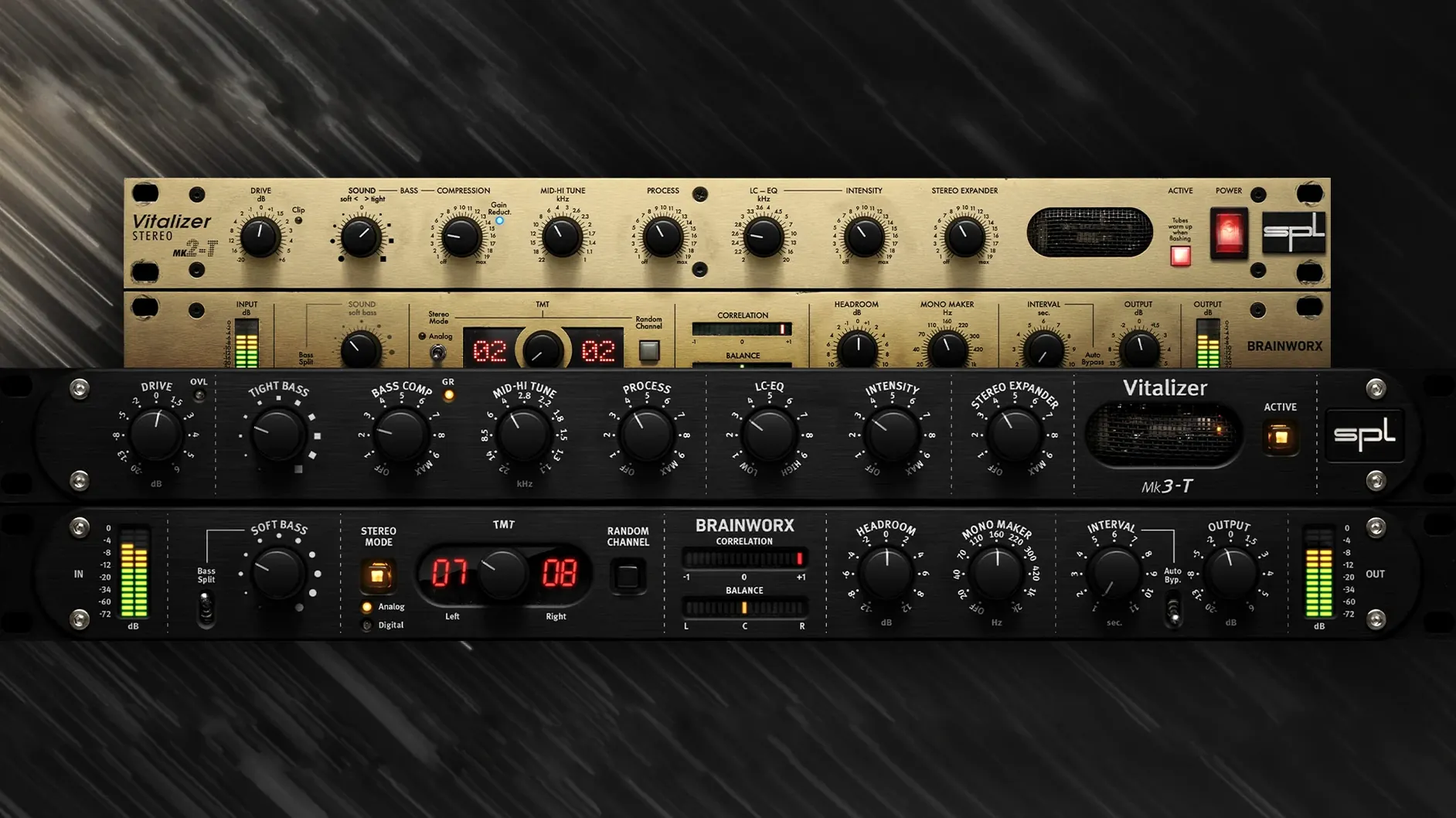
Its Bass Split Mode is where the Vitalizer MK3-T first caught my attention. You get separate control over soft and hard low frequencies, which means you can tighten the sub without losing the warmth in the upper bass. That kind of surgical depth control is rare in a plugin that also handles the rest of the psychoacoustic lift.
Runs on macOS 12 or later with Apple Silicon and Intel support
The plugin runs on macOS 12 or later and works on both Apple Silicon and Intel Macs. It installs through Plugin Alliance’s usual installer, and the interface stays in English. You get standard plugin formats — AU, AAX, VST2 and VST3 — so it should slot into Logic, Pro Tools, Ableton Live, Cubase or any modern DAW without fuss. Mid/Side processing is supported, which is handy if you want to treat the sides separately for width.
Then the sound: two modes, one box
This is Brainworx’s emulation of SPL’s analog program equaliser, and it gives you two distinct voices. Mk3-T mode is the modern black face: more headroom, cleaner top end, better for contemporary pop and electronic mixes. Switch to Mk2-T and you get the vintage gold character with tube warmth and a gentler push. The LC-EQ section and Auto Bypass round out the controls, and the whole thing is built to add perceived depth and loudness without hammering your mix. If you work with dense arrangements, it helps things breathe.
A psychoacoustic processor, not a standard EQ replacement
A few things come up regularly when people first look at the Vitalizer MK3-T. One is whether it replaces a standard EQ. It does not — this is a psychoacoustic processor, not a parametric equaliser. You would still reach for a regular EQ to cut a resonant frequency or shape a tone. The Vitalizer works alongside that, adding clarity and space without the harshness that can come from boosting.
Another question is about the two modes. You do not have to pick one permanently. The switch between Mk3-T and Mk2-T is instant, so you can audition both on the same source. I find Mk2-T works well on individual stems where you want character, and Mk3-T sits better on the mix bus for a cleaner finish. Try both on the same part and see which fits.
People also ask about the Bass Split Mode and whether it works on full mixes. It does. The separation of soft and hard low frequencies is especially useful on a master bus when you want the kick to punch without clouding the sub bass. It takes a moment to dial in, but the difference is clear once you hear it.
A workflow: adding air and depth to a finished mix
Say you have a stereo mix that sounds good but feels flat. You want more openness and a sense of space without pulling it apart. Here is one way to use the Vitalizer MK3-T.
- Start in Mk3-T mode on your mix bus. Keep the plugin in stereo mode first — you can move to Mid/Side later if needed. Set the LC-EQ to a gentle low shelf cut if the mix feels muddy, or leave it flat to hear what the Vitalizer does on its own.
- Bring up the stereo expander slowly. Listen for the centre image to stay solid while the sides open. If the vocal or kick pulls wide, back it off. A small amount here makes a noticeable difference without losing focus.
- Dial the bass section using Bass Split Mode. Turn the soft bass control to add warmth, then adjust the hard bass for attack. The goal is a solid low end that does not rumble. Check on headphones and monitors if you can.
- Use the psychoacoustic controls to add air and perceived loudness. Push until the mix breathes, then pull back slightly. If you hear sibilance or harshness, the Auto Bypass can help you compare quickly.
- Switch to Mk2-T for a moment and hear the difference. The vintage mode adds saturation and warmth, which can work well on rock or jazz. Stick with the one that fits the material.
- Check the mix in context. Bypass the plugin and listen to the raw mix again. The Vitalizer should make the track sound more open and defined without changing its character. If it does, you are done.
That workflow takes about two minutes once you know the controls. It is a finishing step, not a fix for a bad mix, but it can turn a flat stereo file into something that feels ready for release.
Mac it needs
- macOS 12 or later
- Apple Silicon or Intel processor
- Interface language: English
Questions I actually get
What is the difference between Mk3-T and Mk2-T modes?
Mk3-T is the modern black mode with increased headroom, while Mk2-T is the vintage gold mode with tube warmth.
Does the SPL Vitalizer MK3-T support Mid/Side processing?
Yes, it supports Mid/Side processing, which is useful for widening a mix or treating the centre and sides independently.
Installing on a Mac
- Run the standard Plugin Alliance installer for the SPL Vitalizer MK3-T.
- Follow the on-screen prompts to complete the installation.
- Restart your DAW if prompted, then scan for new plugins.
- Tip: make sure your DAW’s plugin folder is set to the default location so the installer finds it automatically.
Notes from photographers
Sign in or create your account to leave a comment.
No notes from photographers yet. If you have used this on a real folder, say which camera and which Mac.
Next to it in VST Plugins
All VST Plugins picks
Plugin Alliance Shadow Hills OptoMax
1.0.0
 Plugin Alliance Brainworx Bundle
2025.06.16
 Pulsar Audio IPA
1.0.9
 Output Portal
1.2.1
 Revoice Pro
5.1.30
 RipX DAW Pro
8.0.3
 Omnisphere
3.0.2c
 Roland Cloud Legendary Series
2025.06.29
