
 Get it for my Mac (806 MB)







 Hearts of Iron IV
1.19.4

- Version
- 1.07
- Developer
- Krufs Productions
- Interface in
- English
- Licence on file
- Not required
- Chip support
- Apple Silicon, Intel 64-bit
- Edited with it on
- macOS Tahoe, Mac mini 2024 M4
- Out on
- 28.05.2026
- Voices in
- Music only
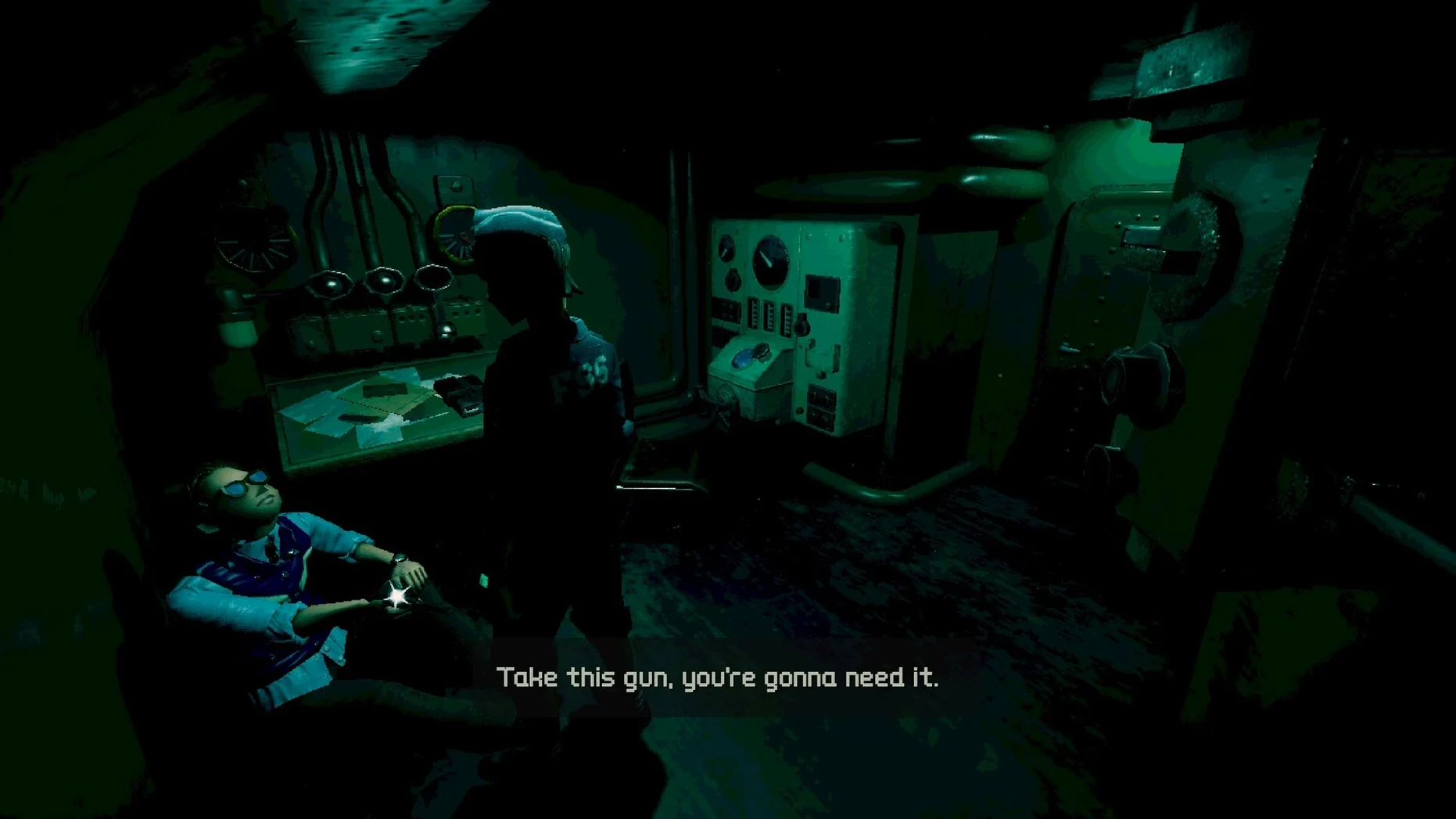
In the edit
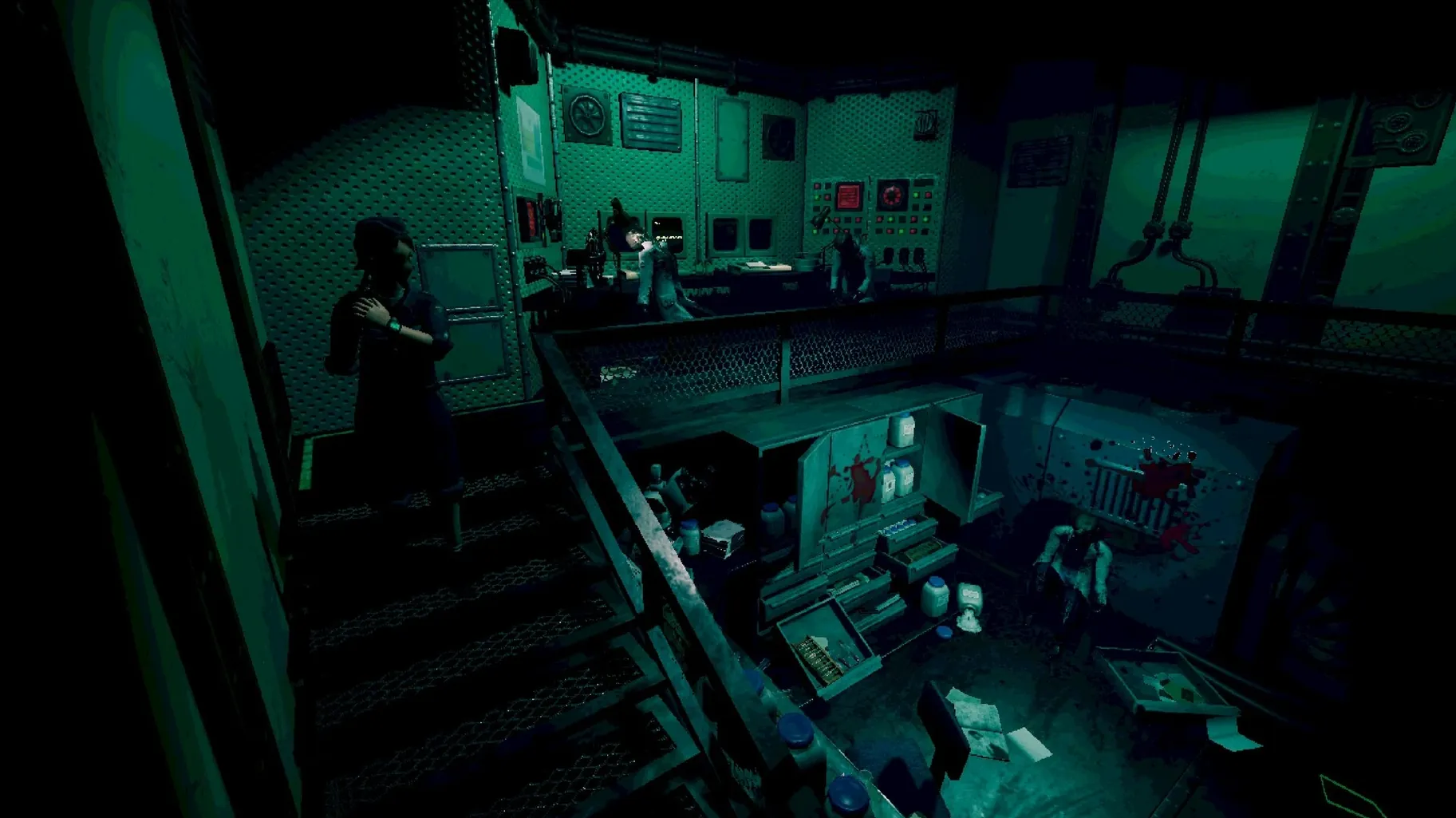
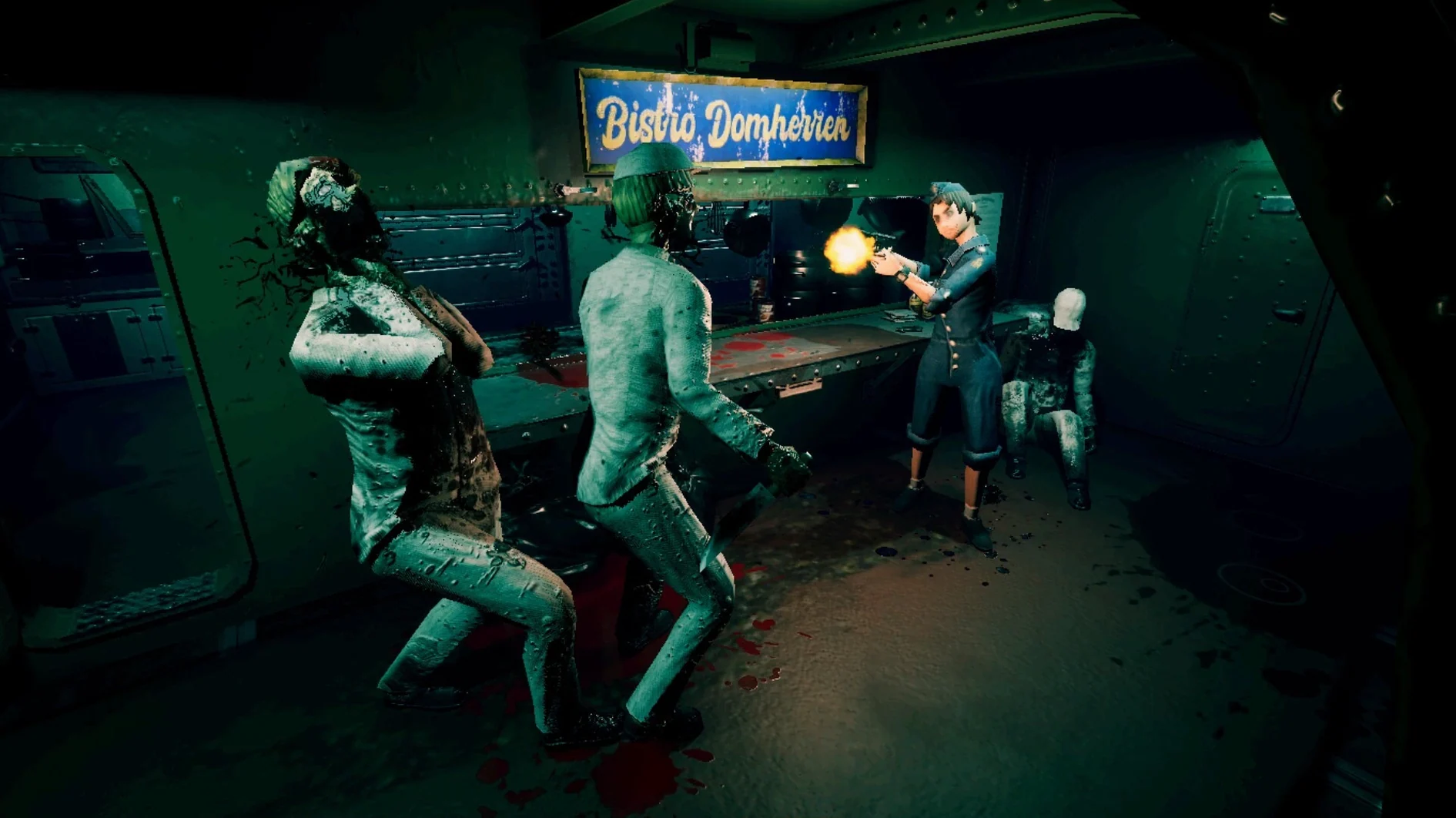
The HMS Domherren is a tomb, and you are the one who has to walk through it. Heavy Metal Death Can opens with you searching for survivors aboard a Swedish submarine that has gone very wrong — the crew has been turned into zombies by something called Sludge, and the corridors smell of rust and rot. The visual style is straight out of the 1990s horror-adventure era, all blocky polygons and deliberate atmosphere, and the game leans into that older-school pacing. Ammunition is scarce, so every shot matters, and you manage your inventory carefully as you piece together what happened. Tank controls are the default, but there is an option for modern controls if you prefer not to wrestle the camera. It is a short, focused experience that does not waste your time with filler.A session aboard the HMS Domherren
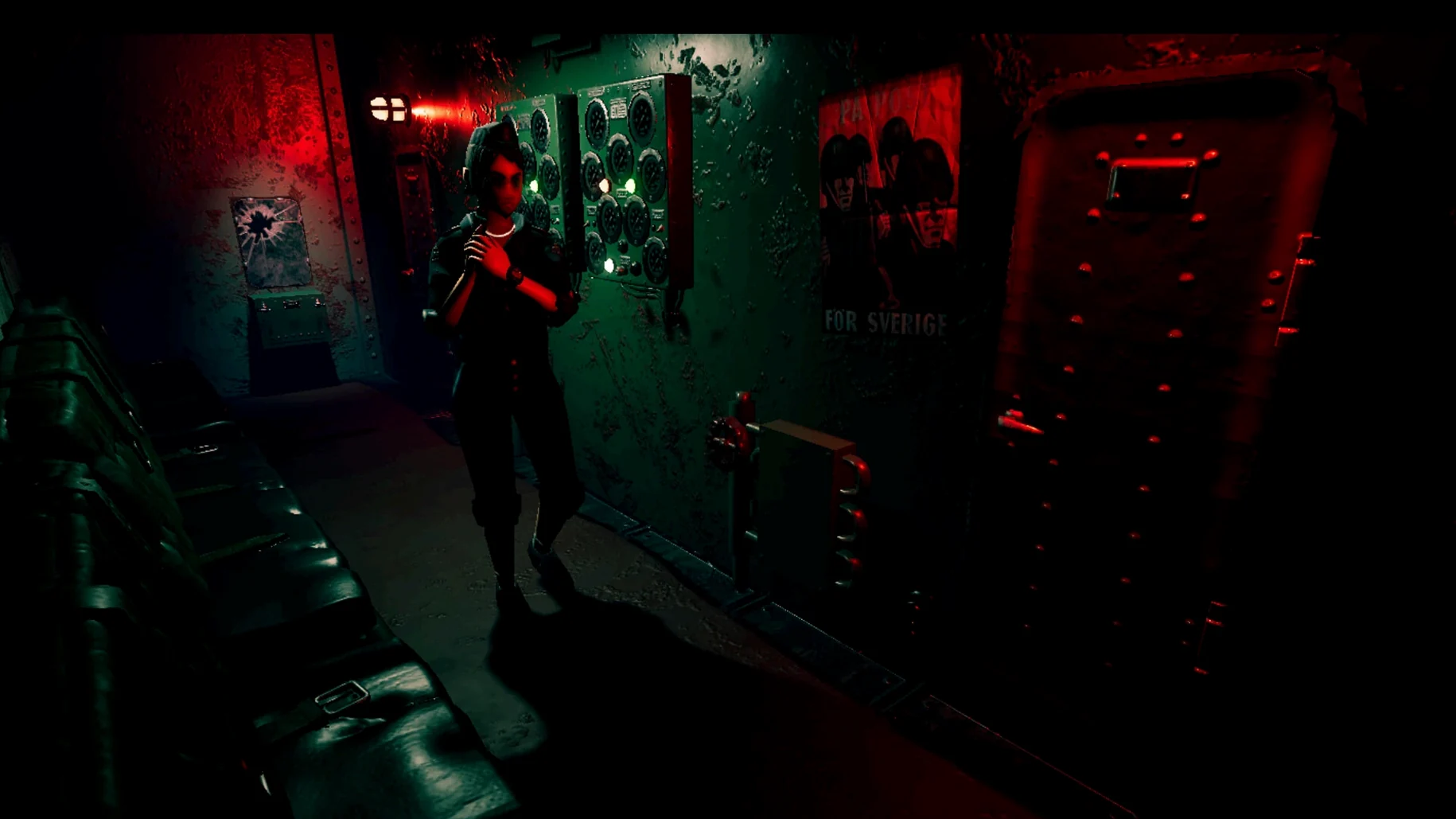
You start in a narrow corridor, the submarine's hull creaking around you. The fixed camera angle shows the passage stretching away at an odd tilt, and you take a moment to get your bearings. The first thing you notice is the silence — broken only by distant metal groans and something that sounds wet. You move forward with the tank controls, because that is how you remember these games working, and the deliberate pace sets the tone.
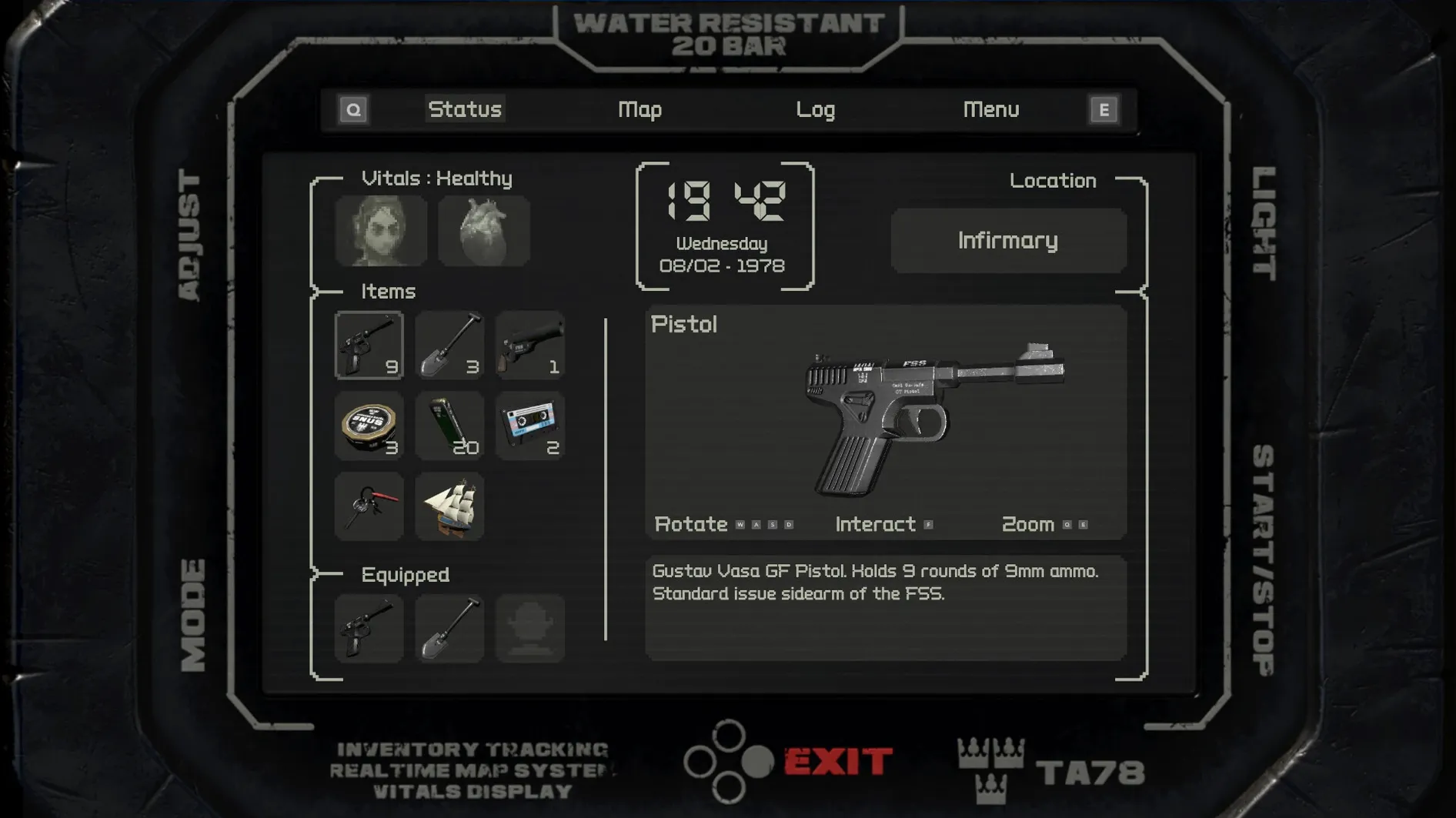
You find a note tucked into a locker. It mentions Captain Olof heading toward the engine room. You pick it up, add it to your inventory, and keep moving. The corridor opens into a mess hall, and the camera shifts to a new angle. Two figures shuffle in the far corner — former crew, now part of the problem. You check your ammunition: twelve rounds. You decide to conserve and slip around the edge of the room instead. The inventory screen shows your items: the note, a half-empty can of food, a keycard with a faded label. You organise them so the keycard is easy to grab when you need it.
You reach a sealed door. The keycard works, and the door hisses open. Beyond it, the submarine's engine room is a maze of pipes and dim emergency lights. The soundtrack shifts into something heavier — overdriven guitars and analog synthesisers blending into a low, threatening drone. You spot Milton, one of the survivors, crouched behind a console. He does not trust you at first. The dialogue choices are simple, but you pick the one that sounds calm, and he opens up about what he saw. The Sludge came through the ventilation system, he says. It turned most of the crew in minutes.
The search continues. You find more notes, a box of ammunition, a key to the captain's quarters. The fixed camera angles keep you on edge — you never see what is around the next corner until you step into it. The limited ammo means you think twice before engaging anything. By the time you reach the bridge, you have a clearer picture of what happened, but there is still the question of who released the Sludge in the first place.
One specific player, one specific moment
Consider a player who grew up with the original Resident Evil and Silent Hill games. They know tank controls. They know inventory management. They know that saving ammunition is often smarter than using it. Heavy Metal Death Can fits their expectations without feeling like a copy. The submarine setting is different enough that the familiar survival-horror rules apply in new ways — tight corridors, multiple decks, the constant pressure of being underwater with nowhere to run.
That player might spend the first hour exploring the lower decks, mapping the submarine in their head, learning where the safe rooms are and which corridors lead to dead ends. They find Captain Olof's log, which reveals that the Sludge was a experimental cleaning agent that reacted badly with the submarine's fuel system. They also find a second survivor who has barricaded herself in the medical bay. She has a key to the armory, but she will not give it up until the player proves they can handle themselves. The player has to decide whether to waste ammunition on a group of zombies near the armory door or find a way to lure them away. That kind of small, meaningful choice is what the game is built around.
Switch between tank and modern controls from the pause menu
The game does not hold your hand, but it does include a few thoughtful touches that keep frustration low. The option to switch between tank controls and modern controls is available from the pause menu, so you can change your mind partway through without restarting. The fixed camera angles are placed carefully — they show you enough of each room to spot items and threats without making you squint. The inventory screen lets you examine items closely, which is how you find hidden details on notes and keycards that are easy to miss at first glance.
The save system works at specific points in the submarine, so you never lose more than a few minutes of progress if you make a mistake. The game also tells you when you are low on ammunition with a subtle visual cue on the HUD, which helps you plan your route to the next cache. These are small things, but they add up across a two-to-three-hour playthrough.
Installs like any Mac app with a simple drag into Applications
Heavy Metal Death Can runs as a standard macOS application, so it sits alongside your other games and tools without any special configuration. The disk image installs the same way any Mac software does — drag it into Applications, launch from Launchpad, and you are done. The game supports both Apple Silicon and Intel Macs, so it works on the machine you already have.
The soundtrack, with its overdriven guitars and analog synthesisers, benefits from a decent pair of headphones or external speakers. The sound design is a big part of the atmosphere, and hearing the metal groans and distant shuffling through good audio makes the submarine feel more real. The game does not demand high-end hardware, so you can keep it running in the background while you work in other apps and switch over when you have a spare twenty minutes to explore another deck.
For players who like to stream or record gameplay, the fixed camera angles and retro visuals mean the game looks distinctive on screen without needing a powerful capture setup. It fits well into a library of indie horror titles, sitting somewhere between a short walking sim and a full survival-horror campaign. The alternate-history 1970s Sweden setting gives it a flavour that stands out from the usual abandoned mansions and haunted towns, and the submarine layout means the game rewards players who pay attention to the environment rather than just following waypoints.
Notes from photographers
Sign in or create your account to leave a comment.
No notes from photographers yet. If you have used this on a real folder, say which camera and which Mac.
