
 Get it for my Mac (38 MB)






 Paragon NTFS
LAST
- Version
- 4.1.4
- Developer
- CharlesSoft
- Interface in
- English
- Licence on file
- K'ed by TNT team
- macOS it runs on
- macOS 10.14.6 or later
- Chip support
- Intel 64-bit
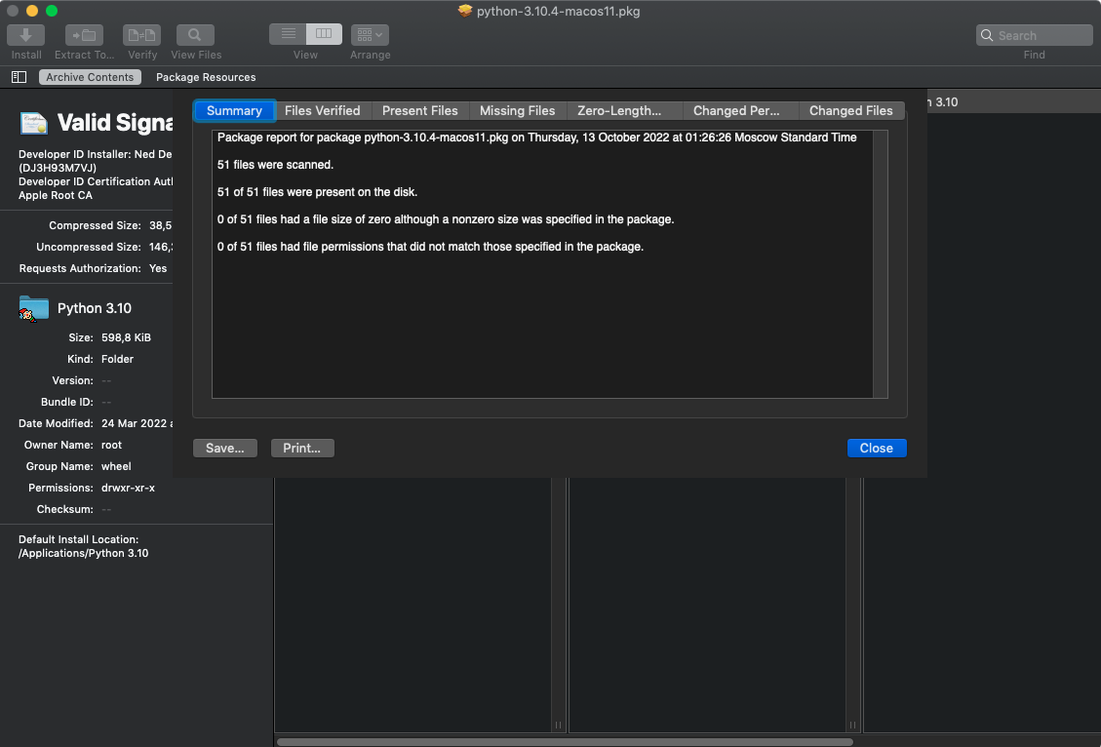
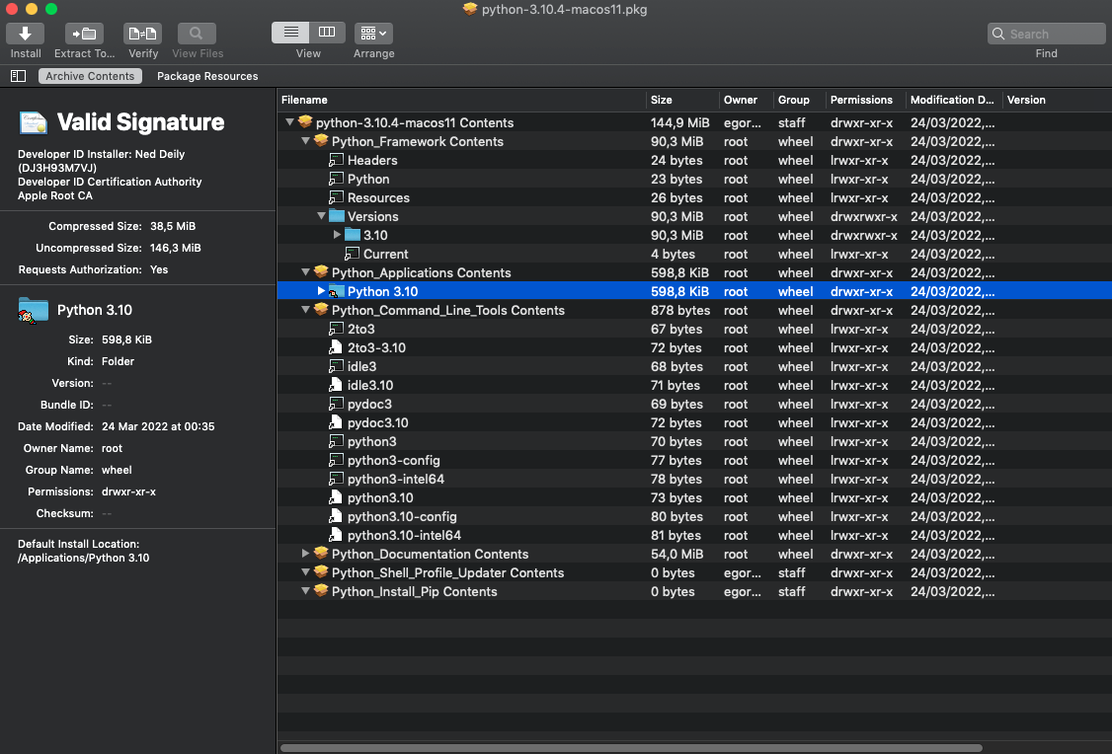
In the edit
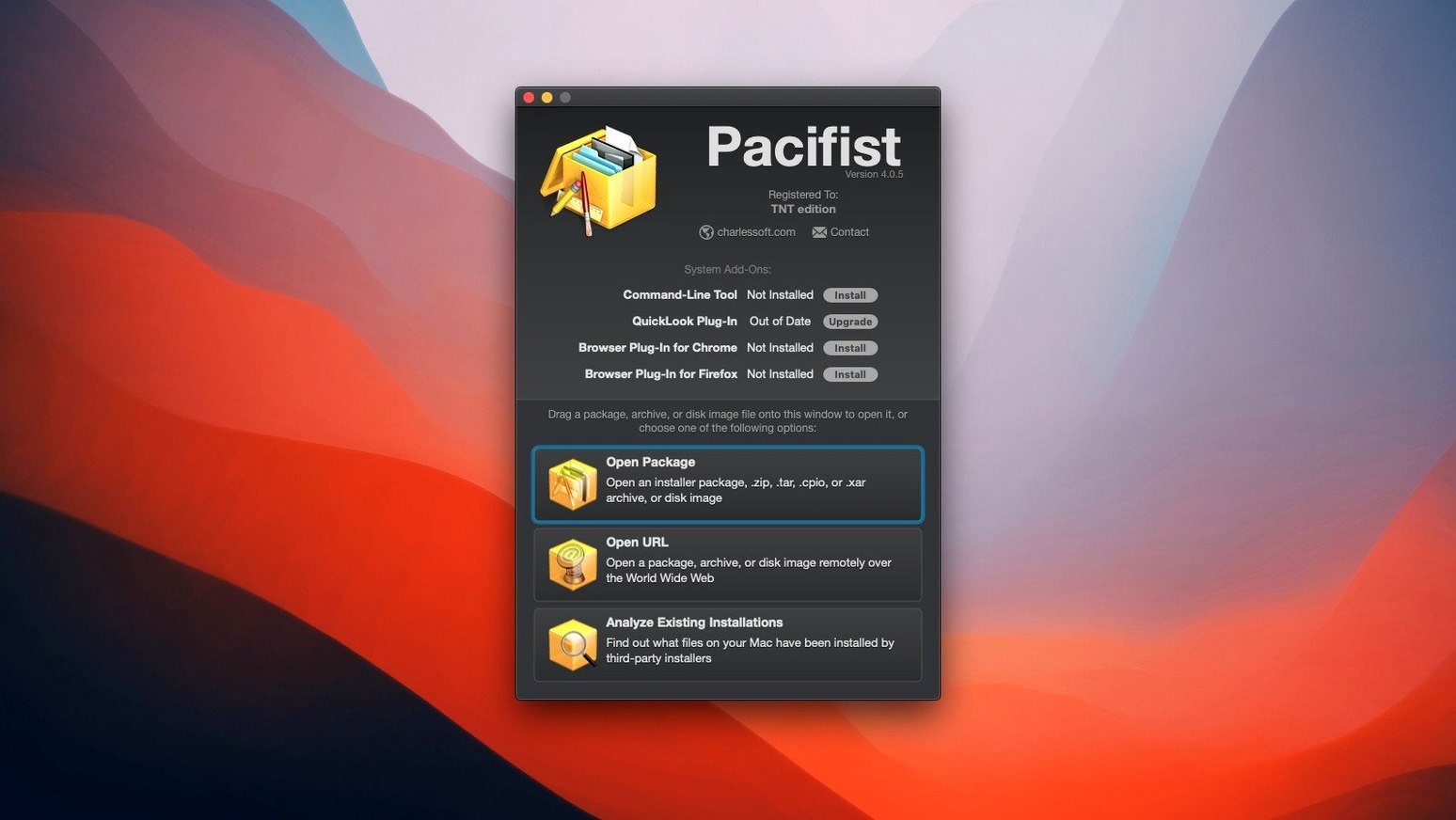
Pacifist is the sort of utility that finds a home on any Mac that deals with packages, disk images, or archives. Maybe you're a developer poking inside an installer, or a power user who needs a single file from a .pkg without running the whole setup. Either way, here are the first things to try after you've got it running.
Drag any package or archive onto Pacifist to see everything inside
Drag a .pkg, .dmg, .zip, .tar, .tar.gz, .tar.bz2 or .xar file onto the Pacifist window. It'll parse the contents and show you everything inside, ready to extract.
Can I grab just one file instead of the whole thing?
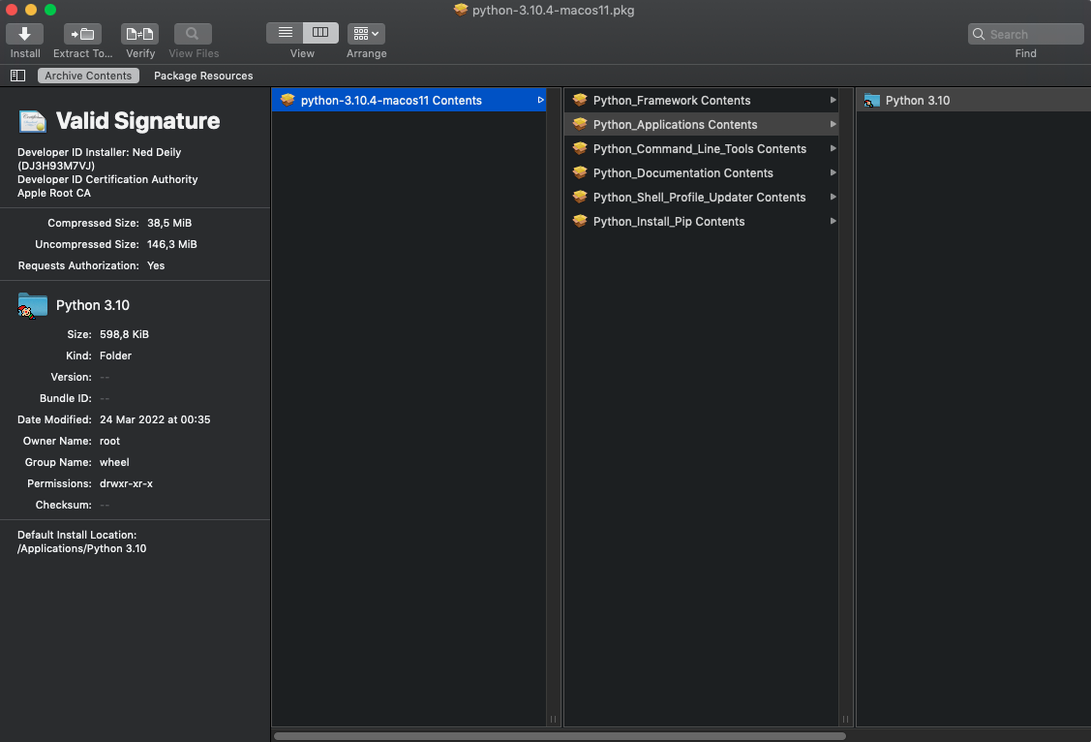
Yes, that's the main point. Browse the file tree, tick the items you want, and click Extract. Pacifist pulls them out without touching the rest of the package.
What about older macOS installers?
Pacifist handles macOS installer package files the same way. Drop one in, and you can dig out individual components – useful when an installer refuses to run on your current system.
Rescuing wedding templates from an incompatible macOS installer
Wednesday morning, and a client sends over a .dmg containing their wedding album design templates. The disk image mounts, but the installer inside is meant for an older macOS version and won't run on their new machine. Instead of asking them to repackage everything, I drag the .dmg straight onto Pacifist.
The app scans the image and shows me the full file tree inside the package. I spot the folder I need — a collection of Photoshop templates and font files. I tick the folder, hit Extract, and choose a destination on my desktop. The whole thing takes maybe ninety seconds. No installation, no compatibility warnings, no fuss.
Later that same day, a developer friend drops by with a .pkg for a plugin they're testing. They want to check which files the installer would place in the system Library folder before committing to it. We drag the package into Pacifist, browse through the tree, and see exactly where each component would land. They decide to extract only the plugin bundle itself and install it manually. Saved them a potential mess with leftover files.
That's the rhythm with Pacifist — you use it in quick bursts, whenever a package or archive needs opening without the overhead of running a full installer. It sits in the Dock or the Applications folder, and you reach for it when you need to look inside something.
Who else uses this?
Consider a system administrator managing a fleet of Macs across a small design studio. One of the machines is missing a framework file that a design app needs to launch. Instead of reinstalling the entire application, the admin grabs the original .pkg, opens it in Pacifist, and extracts just that one framework. They copy it into place, and the app starts up again. No reinstall, no downtime, no imaging the whole machine.
That kind of targeted extraction is where Pacifist shines. It's not a tool you use every hour, but when the need arises, it saves a disproportionate amount of time.
Try Pacifist on an old installer you downloaded months ago
When you first start using Pacifist, a few things help it become a natural part of your workflow. Keep these in mind during the first week.
- Try it on an old installer. Find a .pkg you downloaded months ago and never ran. Drop it on Pacifist and browse the contents. You'll get a feel for how the file tree is organised without any pressure.
- Use it before installing. Whenever you download a new package from an unfamiliar source, open it in Pacifist first. Look at the file paths and see what goes where. It's a quick sanity check before you let the installer run.
- Keep it in the Dock. Drag the app to the Dock so you can drop files straight onto its icon. That's faster than launching it first and then dragging.
- Remember archive support. Pacifist isn't only for packages. If you regularly deal with .tar.gz or .zip files from clients or collaborators, it works for those too. One less reason to open the Terminal or another unarchiver.
- Don't forget the HTTP download trick. For some archive types, Pacifist can download a single file over HTTP without pulling down the whole archive. That's worth testing early — it can save bandwidth on large remote archives.
macOS Tahoe support means no more compatibility warnings
The current release, version 4.1.4, brings a few updates that affect how you work with it day to day.
- macOS Tahoe support. The app has been updated for the latest macOS version, so it runs without compatibility warnings. If you've already updated your Mac, Pacifist 4.1.4 will open packages and archives the same way it did before.
- Better asset catalog extraction. Parsing and extracting images from asset catalogs inside packages is now more accurate. If you work with .car files or apps that bundle their graphics this way, you'll notice fewer mismatches or broken extractions.
- Bug fixes. The usual round of miscellaneous fixes keeps things running without unexpected behaviour. Nothing flashy, but the kind of maintenance that makes a utility reliable over time.
None of these changes reinvent how Pacifist works. They keep it compatible and accurate, which is exactly what you want from a tool that you rely on for surgical file extraction. If you've been using an earlier version, there's no reason to delay the update.
New this release
- Updated for macOS Tahoe.
- Improved accuracy when parsing and extracting images from asset catalogs.
- Miscellaneous bug fixes.
Mac it needs
- macOS 10.14.6
- Intel architecture
- English interface
Installing on a Mac
- Mount the disk image and run Open Gatekeeper friendly.
- Press Enter in Terminal to bypass Gatekeeper.
- Drag the app to the Applications folder.
- Launch the app and use the License.pacifist-license file from the Extra folder for activation.
- Disable SIP before installing.
Notes from photographers
Sign in or create your account to leave a comment.
No notes from photographers yet. If you have used this on a real folder, say which camera and which Mac.
