 Get it for my Mac (55 MB)
 Magika MultiLayerEQ
1.0.2
- Version
- 1.1.1 Rev2
- Developer
- Mario Nieto
- Interface in
- English
- Licence on file
- K'ed by TEAM HCiSO
- macOS it runs on
- macOS 10.14 or later
In the edit
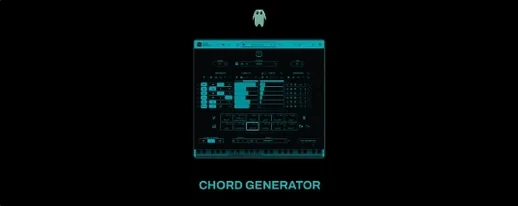
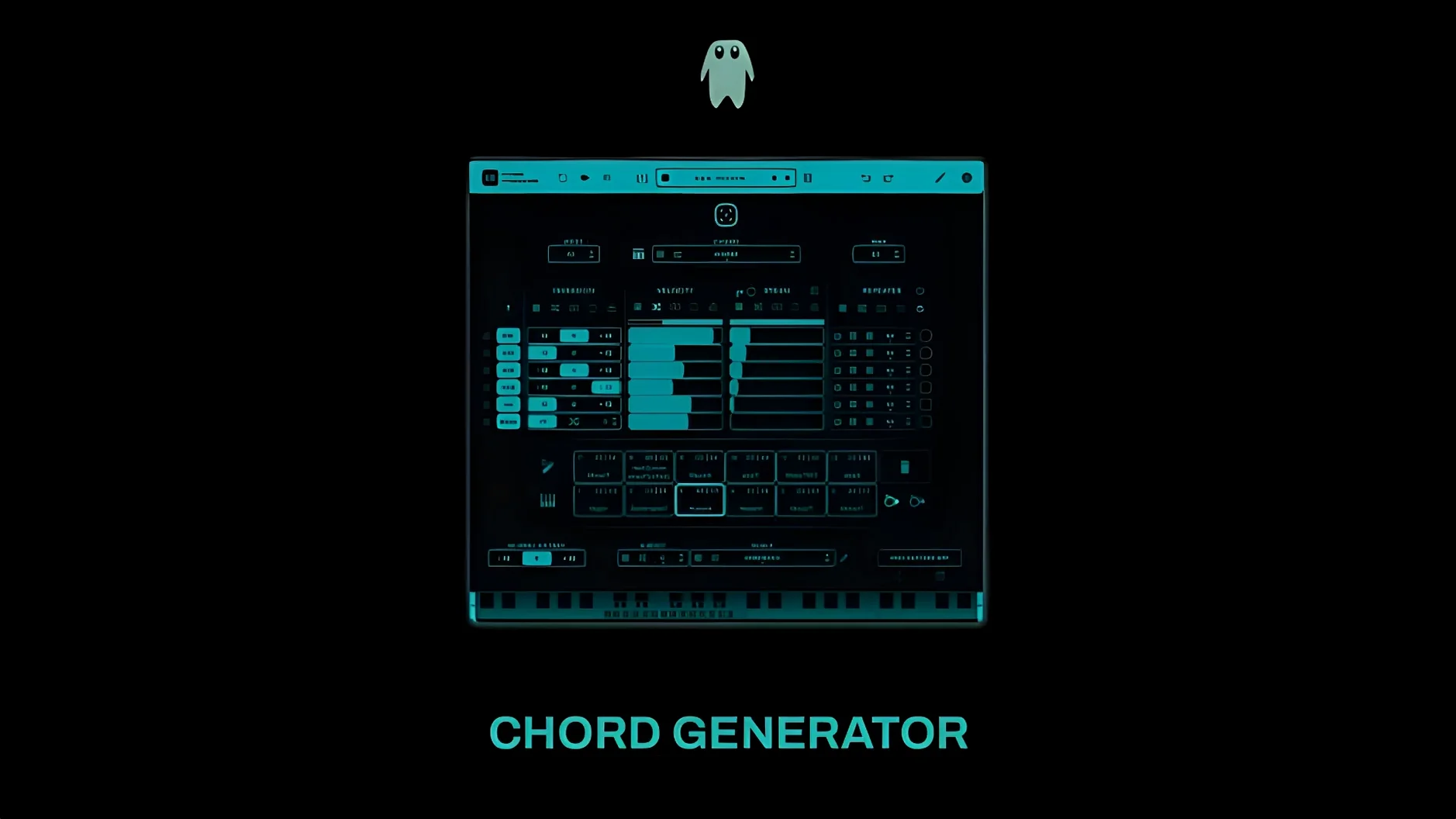
Composers and producers who want to step beyond predictable chord progressions often reach for a tool that surprises them. Mario Nieto Chord Generator 1.1.1 Rev2 is a MIDI plugin that does exactly that: it takes your input and hands back chords with a sense of harmonic variation you didn't plan.
Plugin format — VST and Audio Unit for Mac; 64-bit only. The plugin itself produces no audio, so you route its MIDI output to a synth, sampler or any instrument you like.
Host compatibility — works inside any DAW that loads VST or AU plugins. That covers Logic Pro, Ableton Live, Cubase, Studio One, Reaper and similar.
Scale library — 57 scales and modes are built in, which gives plenty of room to move from standard major/minor into more unusual harmonic territory.
MIDI CC control — many parameters can be mapped to MIDI controllers, so you can tweak chord voicings or variations in real time without touching the mouse.
Presets — you can create, edit and share preset files, which makes it straightforward to build a personal library or pass setups to collaborators.
When the plugin appears to do nothing on load
The most frequent hiccup people hit is that the plugin appears to do nothing when they first load it. Because it is a MIDI instrument, not an audio effect, you need to route its output to a sound source. Drop a synth on a second track, set the input to receive MIDI from Chord Generator, and you are away. If you are inside Logic Pro, check the MIDI channel routing matches between the two tracks.
Another one that catches users is the plugin version not responding to incoming MIDI notes. Make sure your keyboard or MIDI clip is sending on the same channel the plugin expects. The default is channel 1, but you can change that inside the interface. If you are using the standalone version, check your audio output device is selected in the preferences — otherwise you get a MIDI signal with nowhere to go.
Preset files sometimes fail to load if they were created in a newer build. Version 1.1.1 Rev2 handles presets from earlier releases fine, but if you have upgraded recently, clear your preset cache and reload. The documentation site has a short video on that exact process.
Best for writers stuck in the same harmonic patterns
This tool clicks best with people who write music in a DAW but feel stuck in the same harmonic patterns. If you lean on the same four chords in every track, Chord Generator forces you to try something else — and the 57 scales mean you can dip into phrygian, whole-tone or even microtonal territory without knowing the theory cold.
Electronic producers who use hardware controllers will also get a lot from it. Mapping those MIDI CC parameters to knobs on a keyboard or pad controller turns chord generation into a hands-on performance tool. You can twist a chord from standard major into a suspended voicing mid-take and record the whole thing as MIDI data.
iPad users who want the same workflow on a touch screen get a dedicated version. The desktop and iPad apps share preset files, so you can build something on the Mac and finish it on the couch.
A more chord-focused alternative to Cthulhu
There are a few other chord generation tools on the Mac. Cthulhu from Xfer Records does something similar — it lets you hold one note and get a full chord back — but it is more focused on arpeggiation and bass patterns. Chord Generator leans harder into harmonic variation and scale exploration, which matters if you want unexpected voicings rather than predictable triads.
Captain Chords from Mixed In Key offers a full songwriting workflow with chord progression suggestions and key detection. It is a bigger system, but it also costs more in both complexity and setup time. Chord Generator is lighter: you drop it in, route the MIDI and start playing.
Scaler 2 by Plugin Boutique has a massive chord library and key detection too, and it can analyse audio to suggest matching chords. It is excellent for songwriting, but it sits more in the helper role. Chord Generator is more of a performance instrument — you feed it notes and it hands back variations you did not expect, which works well for live recording or improvisation.
Mac it needs
- macOS 10.14 or later
- Intel or Apple Silicon
- 64-bit host that supports VST or Audio Unit plugins
Questions I actually get
Does the plugin produce any sound on its own?
No, it is a MIDI tool that generates chord data. You need to route its output to an instrument that can produce sound.
What macOS version do I need?
It requires macOS 10.14 or later, and it runs on both Intel and Apple Silicon Macs.
Can I control the plugin with hardware?
Yes, many parameters can be controlled by MIDI CC, so you can adjust chord variations and voicings from a controller.
Installing on a Mac
- Mount the downloaded disk image.
- Run the standard installation procedure.
Notes from photographers
Sign in or create your account to leave a comment.
No notes from photographers yet. If you have used this on a real folder, say which camera and which Mac.