 Get it for my Mac (472 MB)
 Superior Drummer
3.4.4
- Version
- 2.1
- Developer
- Synapse Audio
- Interface in
- English
- Licence on file
- k'ed by GUISEPPE
- macOS it runs on
- macOS 10.14 or later
- Chip support
- Apple Silicon, Intel 64-bit
In the edit
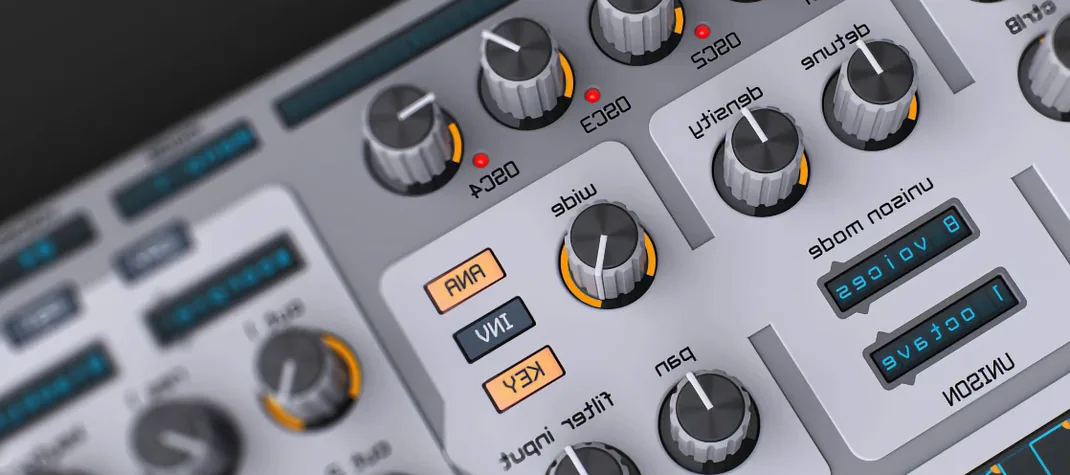
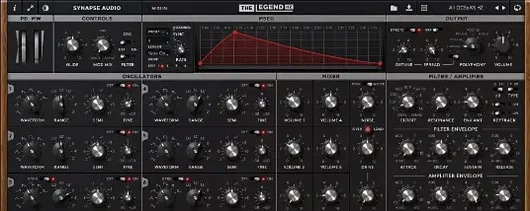
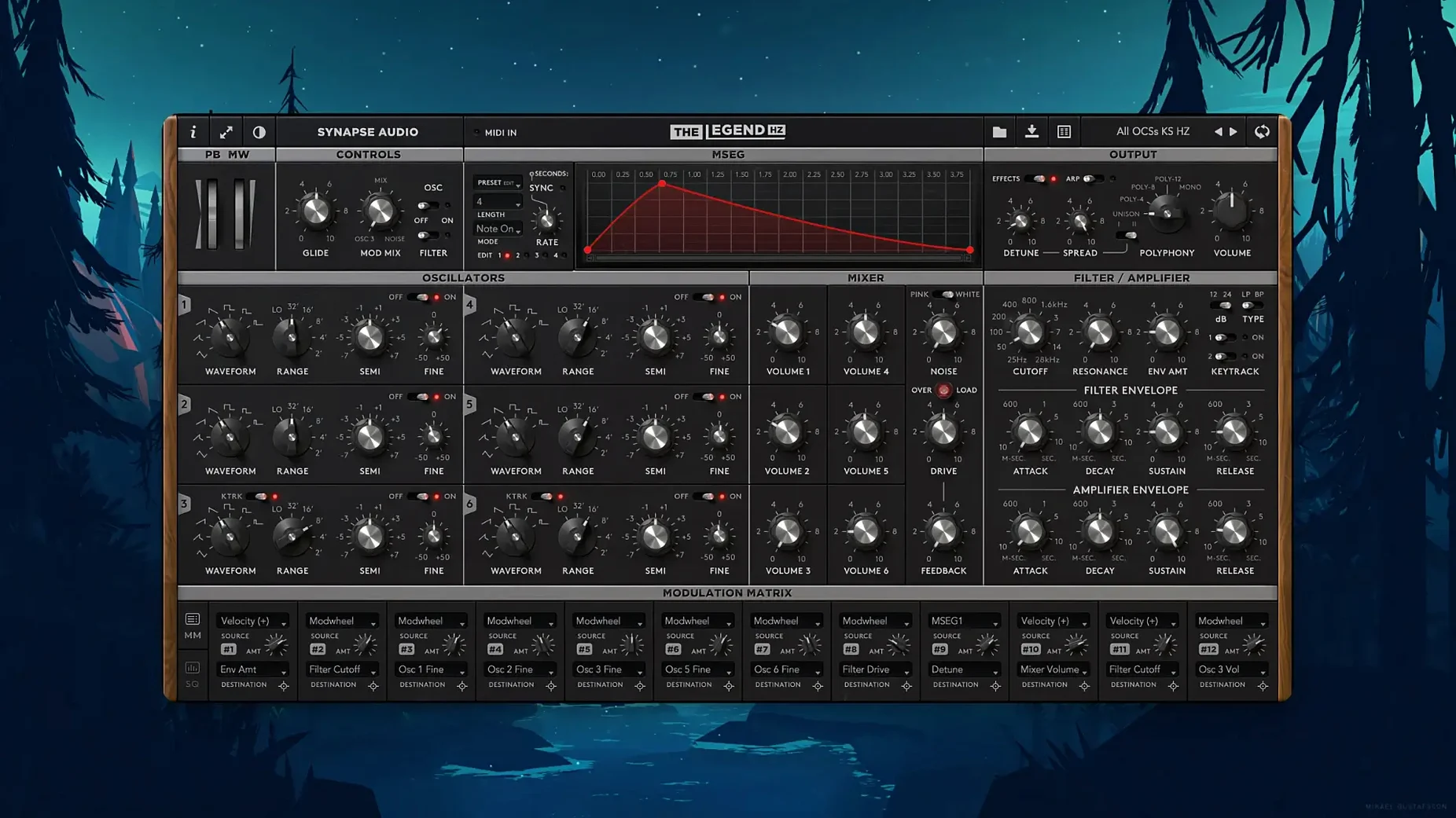
Film composers and electronic producers who want that thick, living analogue sound without the maintenance bills reach for The Legend HZ. Co-developed with Hans Zimmer, this plugin takes the classic Minimoog architecture and stretches it into something that sits bigger in a mix. Version 2.1 keeps the core intact while adding a few practical extras.
What the new controls do to your sound
The headline addition is a paragraphic equalizer on the back panel. Instead of reaching for a separate EQ plugin, you shape the tone right inside the synth — cutting mud from the low end or adding air to a lead without leaving the window. The compressor saturation mode is the other trick worth knowing about. It pushes the signal harder than the original circuit ever could, giving basses and brasses that slight crunch that helps them cut through a dense arrangement. Both additions sit on the back panel, so the front stays clean and familiar.
Polyphony, presets and the rest of the spec
The Legend HZ runs on Apple Silicon and Intel Macs, supports up to 12 voices, and includes an arpeggiator/sequencer and unison mode. MPE support means expressive controllers bend pitch and timbre per note. Version 2.1 ships with 50 new factory presets by Kevin Schroeder, covering everything from sub bass to evolving pads. You get VST3, Audio Unit and AAX formats, so it works in Logic, Cubase, Pro Tools and the rest.
Both The Legend and The Legend HZ live on the same drive
If you already own The Legend, you might wonder whether the two can live on the same drive. They can. The Legend HZ is a separate product with its own plugin files, so both appear in your DAW's instrument list. Projects that use The Legend still open that original instrument, meaning you can run them side by side and layer their sounds without any conflict. Patches you built or collected for The Legend load straight into The Legend HZ, which is useful if you have a library of custom sounds you don't want to rebuild.
Another common question is about system load. Six oscillators per voice, unison mode and the fixed filter bank can add up, but the plugin gives you up to 12 voices of polyphony and you can adjust that number to match your Mac's resources. If a project starts feeling heavy, dropping the voice count or turning off unison on less important parts usually sorts it out. The plugin runs on macOS 10.14 and later, covering both Intel and Apple Silicon Macs, so it should work on any machine from the last few years that still gets DAW updates.
Listen to 200 presets and explore the back panel EQ
Start by loading a few of the 200 factory presets and listening to how the paragraphic EQ shapes them. The back panel is where the new version 2.1 additions live, so make a habit of flipping to it while you audition sounds. Try the compressor saturation on a bass preset first — it adds a density that is hard to get with external processing alone. Once you hear what it does, you will know quickly when a sound needs it and when it does not.
If you use MPE hardware, assign a preset that uses the arpeggiator and play with per-note pitch bends. The combination of six oscillators and MPE gives each note its own movement, which is especially useful for atmospheric pads or slow leads. For film cues, the 914 Fixed Filter Bank is worth spending an afternoon with. It is a different kind of shaping tool than the main filters and can give brass and string patches a more focused, vintage character.
Old The Legend patches load without conversion
Patch compatibility with The Legend means you can treat both instruments as one sound library. If you find a great bass sound in an old The Legend bank, it loads here without conversion. The 50 new presets by Kevin Schroeder that arrived with version 2.1 are a good starting point for exploring the EQ and saturation, since they were built with those features in mind.
NKS support is another detail that saves time if you use a Komplete Kontrol keyboard. Presets appear in the hardware browser with their names and categories, so you can scroll through sounds without touching the mouse. The arpeggiator/sequencer section is also worth exploring early — it can drive the six oscillators in ways that feel more immediate than drawing MIDI notes, and it is easy to record its output into your DAW for further editing.
New this release
- Added a paragraphic equalizer on the back panel.
- Added compressor saturation.
- Added MTS-ESP microtuning support.
- Added 50 factory presets by Kevin Schroeder.
Mac it needs
- macOS 10.14 or later
- Intel or Apple Silicon
Questions I actually get
Is The Legend HZ compatible with Apple Silicon Macs?
Yes, version 2.1 supports both Apple Silicon and Intel 64-bit systems natively.
What plugin formats does The Legend HZ come in?
It is available in VST, AAX, and Audio Unit formats.
What does the compressor saturation do?
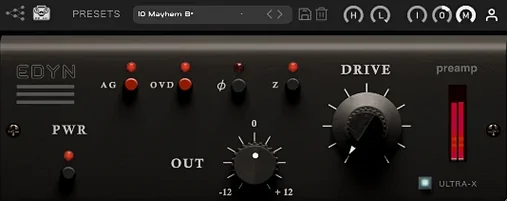
Compressor saturation pushes the signal harder than the original Minimoog-style circuit, adding a slight crunch that helps basses and brasses stand out in a dense mix.
Installing on a Mac
- Follow the installation instructions included with the download.
- Apply the activation instructions included with the download.
Notes from photographers
Sign in or create your account to leave a comment.
No notes from photographers yet. If you have used this on a real folder, say which camera and which Mac.