
 Get it for my Mac (283 MB)







 Frostpunk 2
1.6.1

- Version
- 1.2.9
- Developer
- Frogteam Games, Bee Braun
- Interface in
- English
- Licence on file
- Not required
- Chip support
- Intel 64-bit
- Edited with it on
- macOS Tahoe, Mac mini 2024 M4
- Out on
- 10.06.2023
- Voices in
- Music only
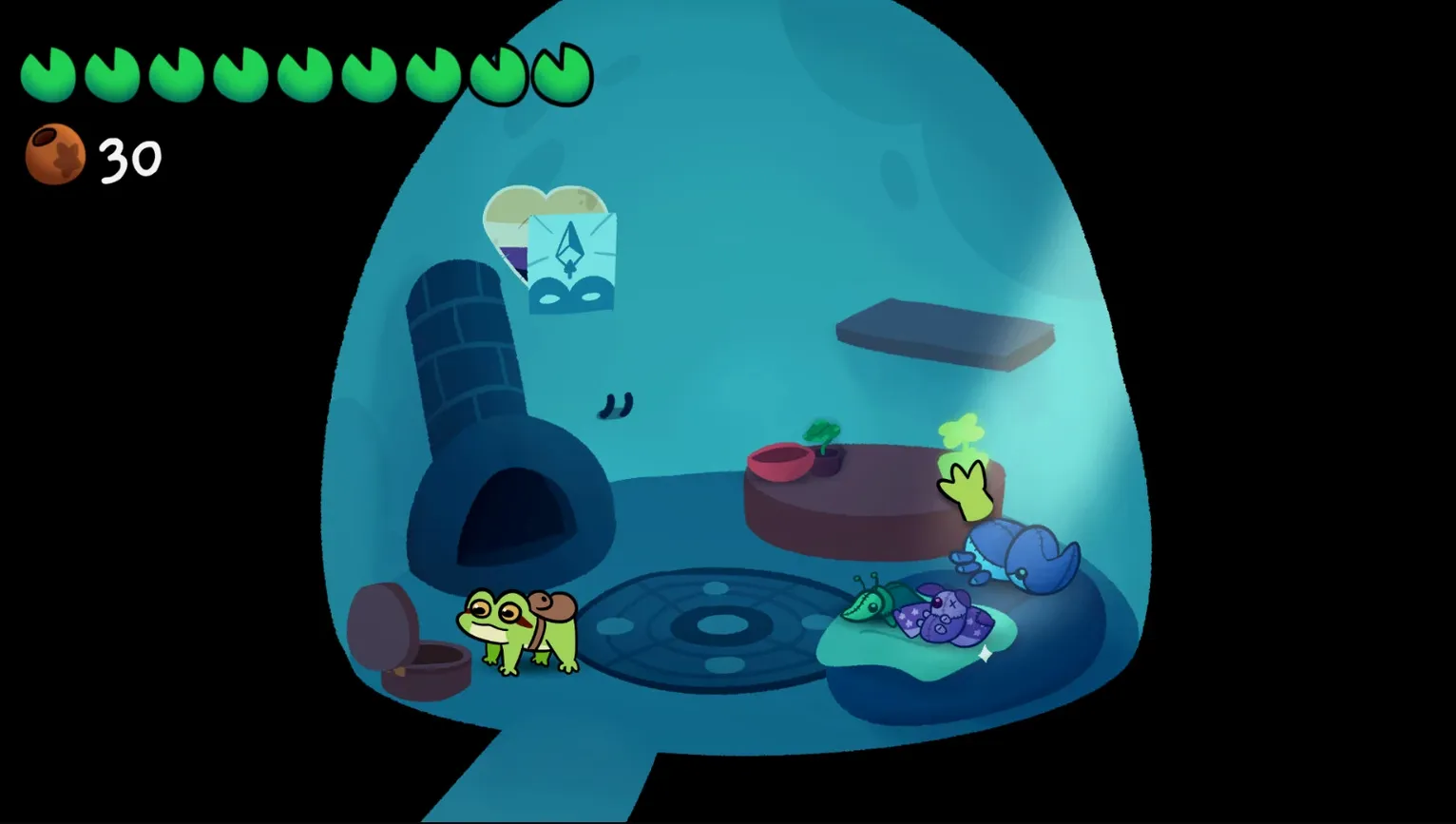
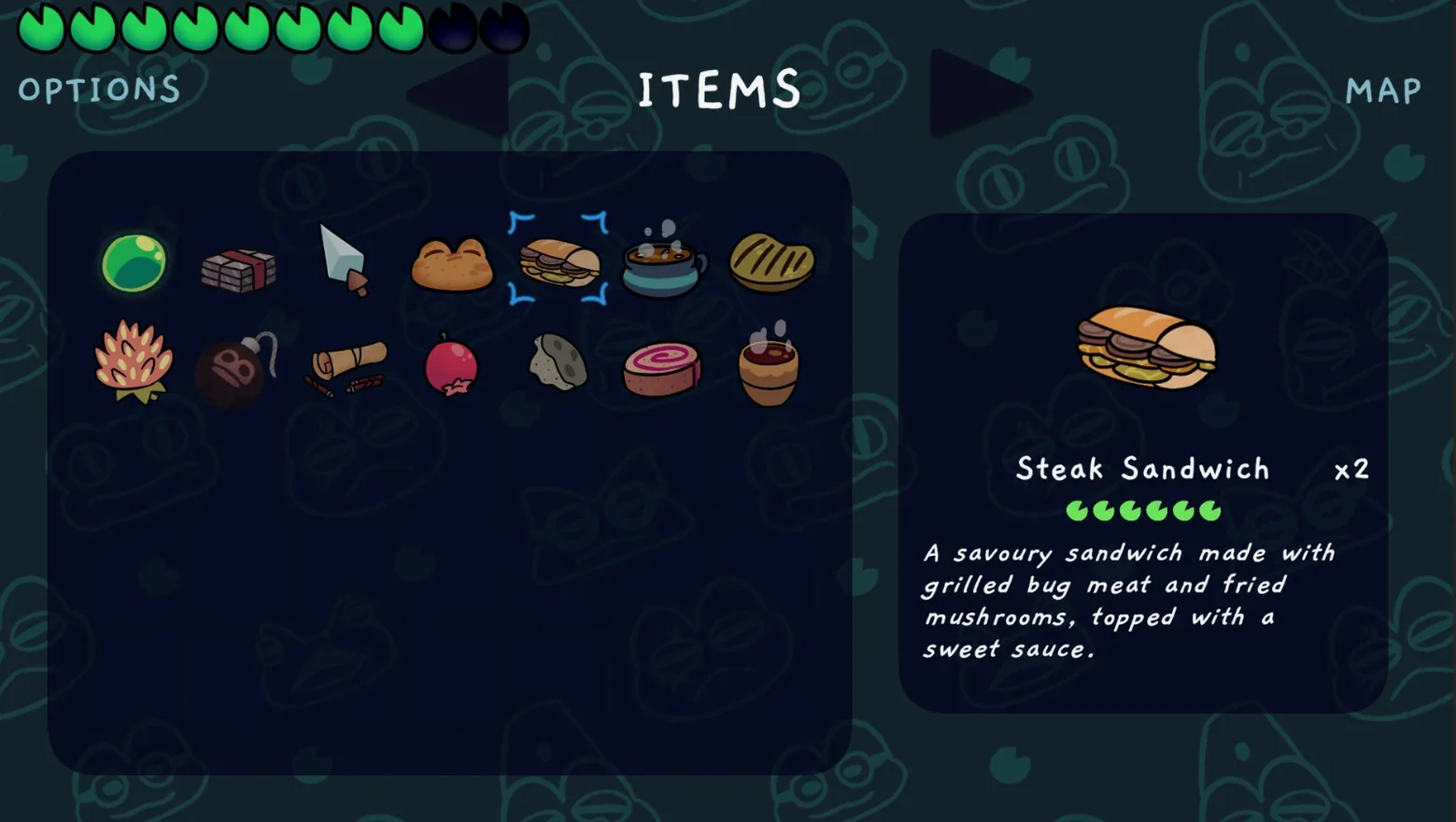
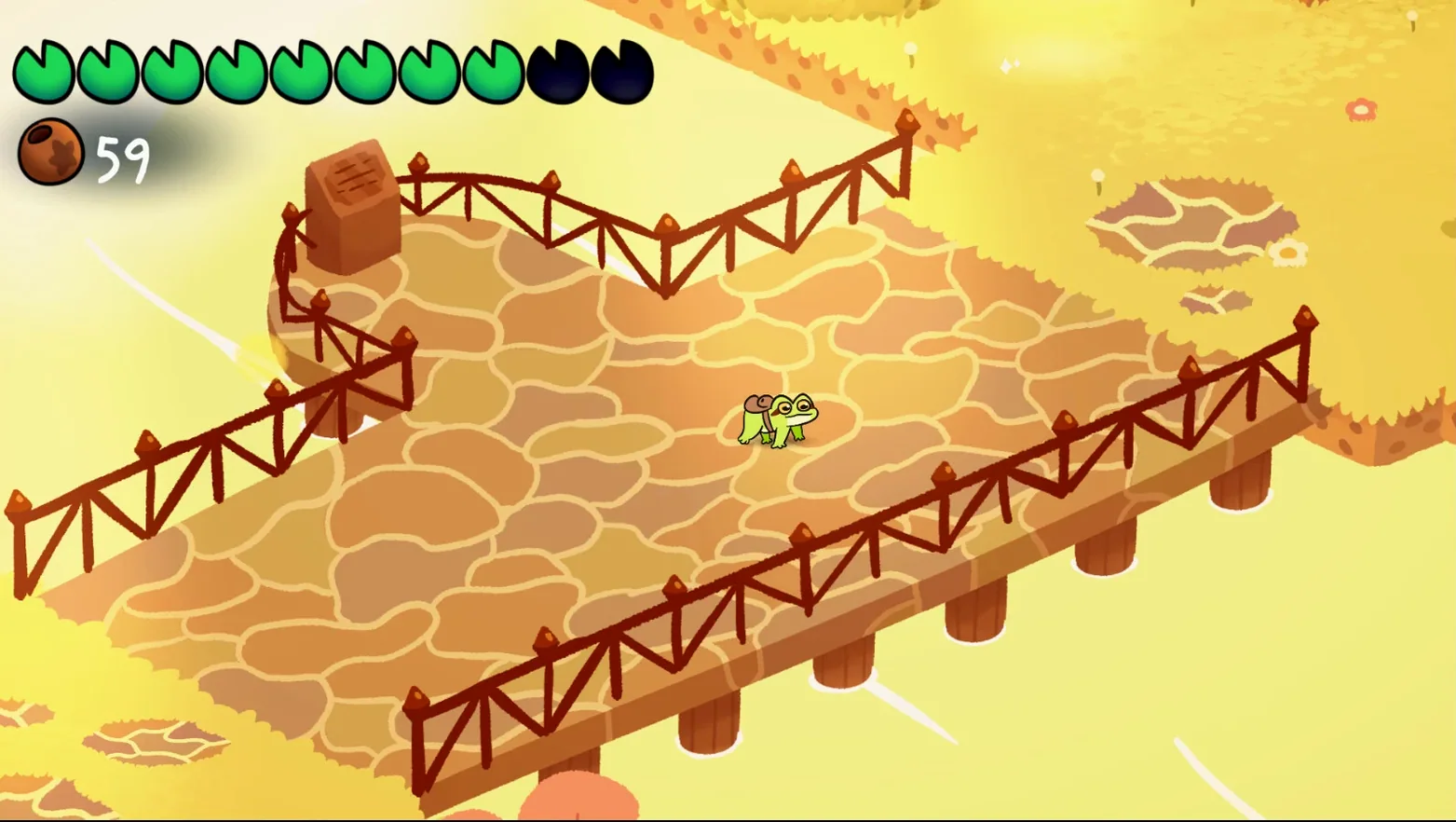
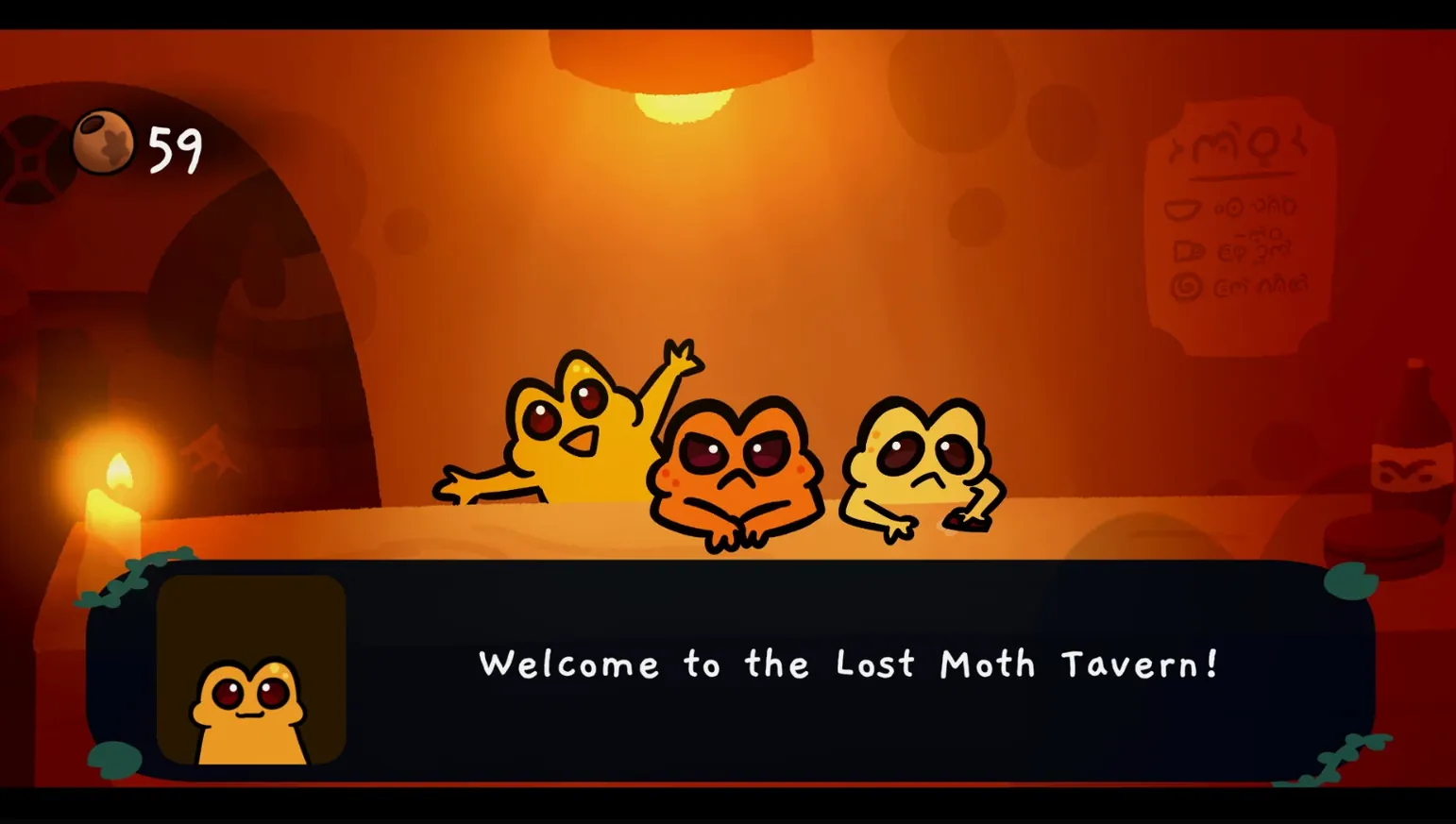
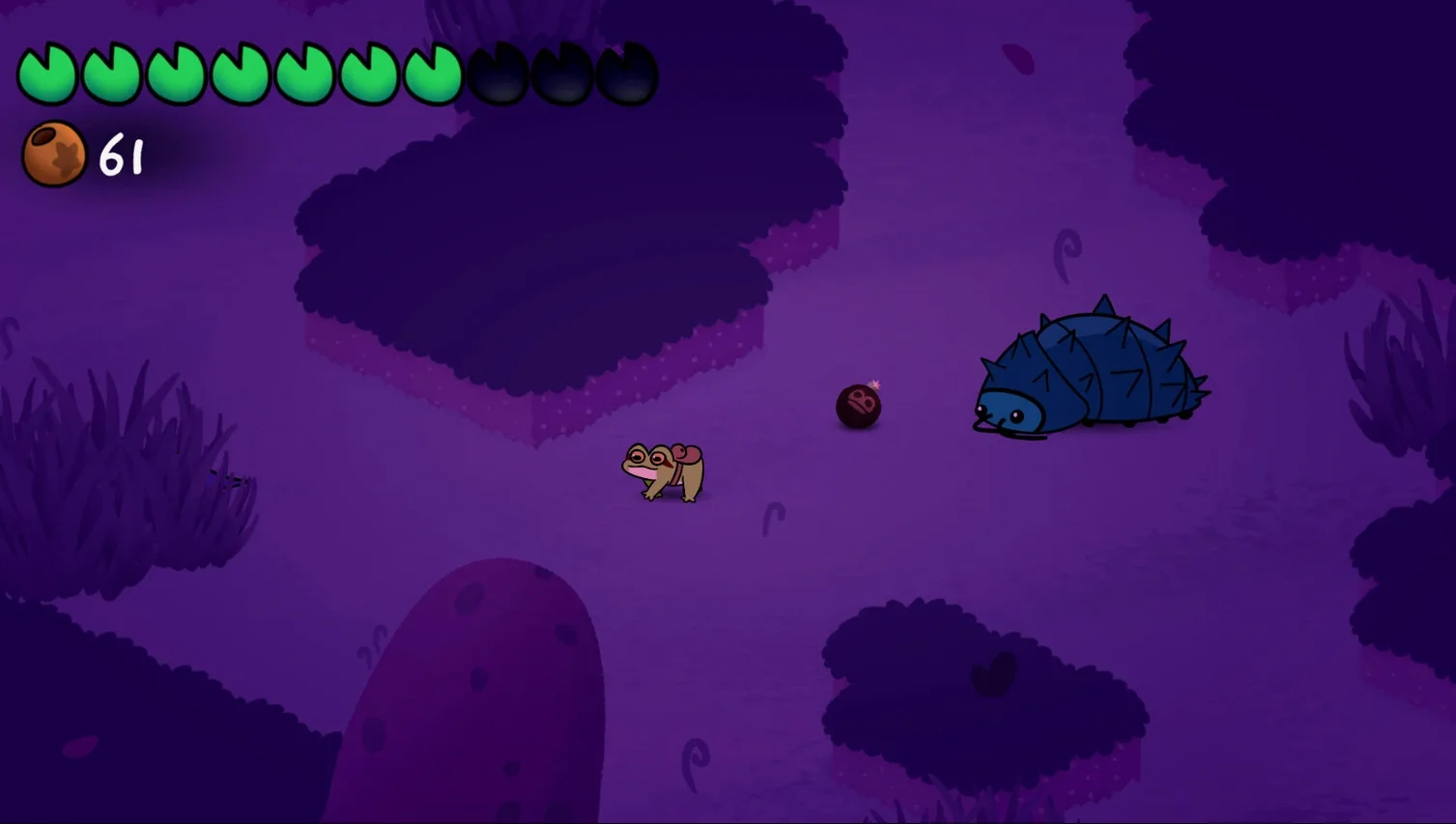
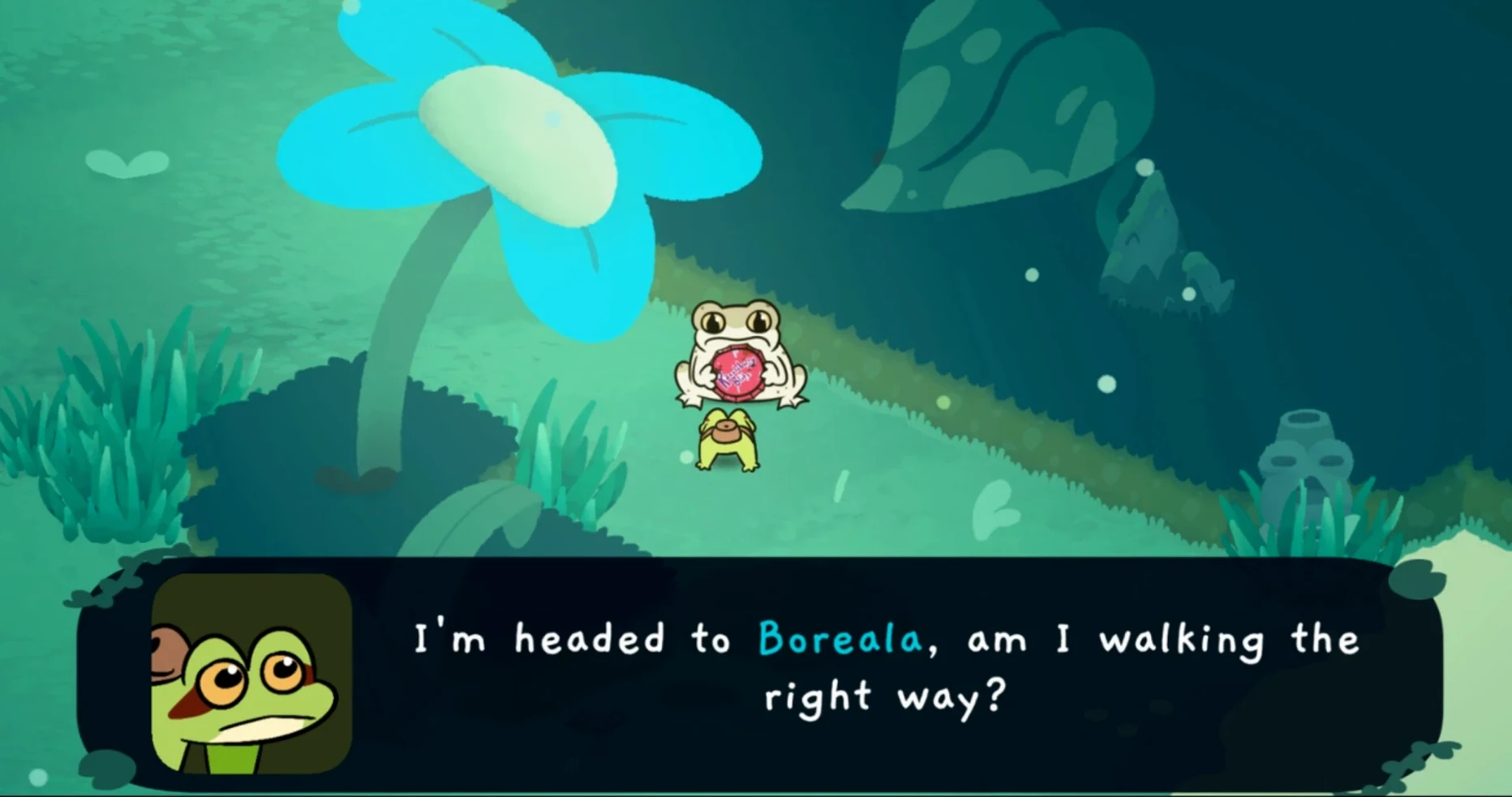
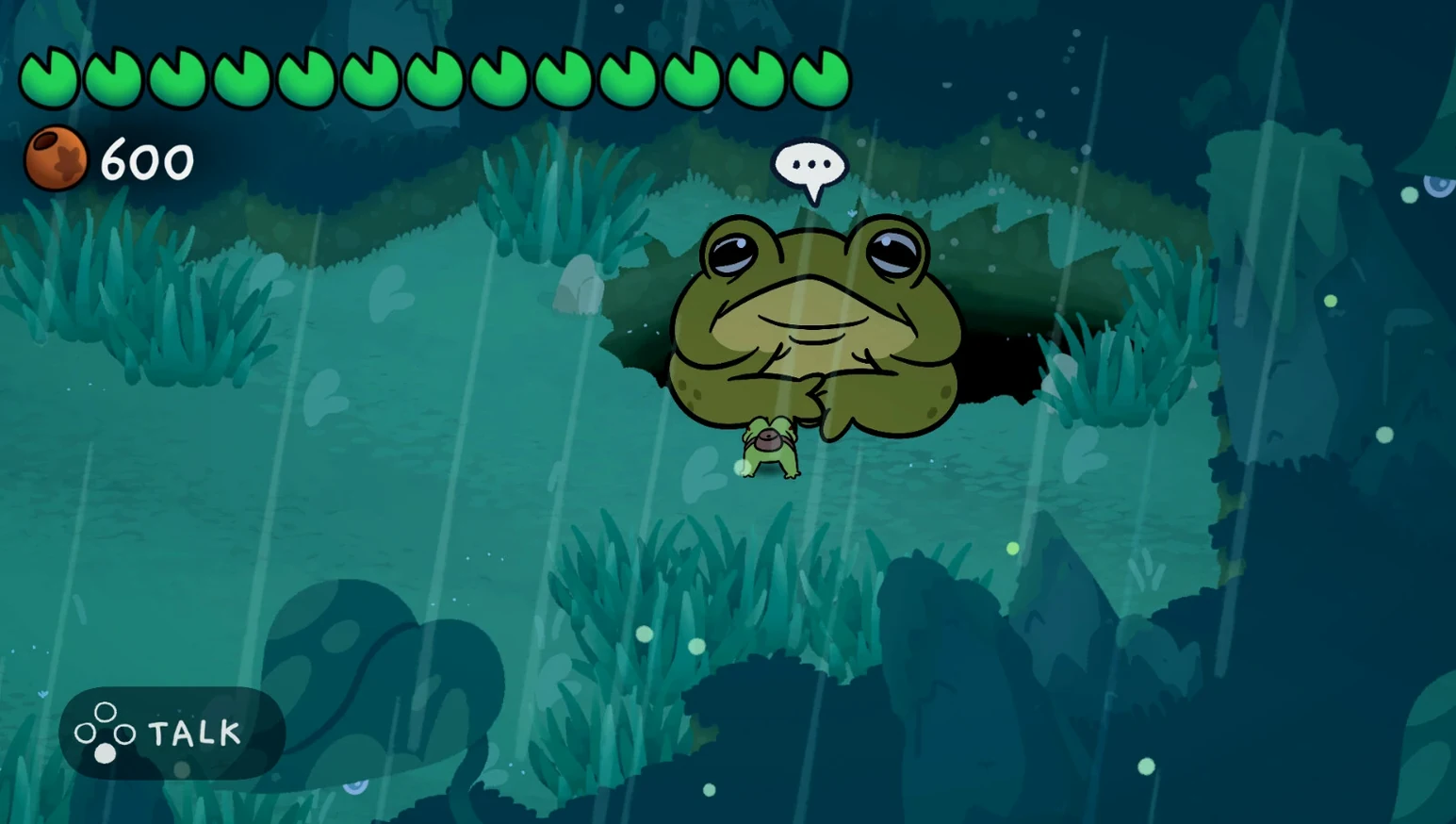
In the edit
You wake as Horus, a small frog with big dreams, in a world of strange frogs, vicious bugs and towering plants. The music swells as you step into the hand-drawn 2D forest and start exploring. Your first task is to reach the village of Boreala, but the path is anything but straight.
- Explore the five distinct areas. Each zone has its own look, enemies and secrets. You push deeper, talking to frogs and uncovering why the world is the way it is.
- Fight vicious bugs with a blade you upgrade. Combat is deliberate — timing matters. When you find a forge, you can improve your weapon, making later fights manageable.
- Follow a story about self-determination. The game never rushes you. You wander, fight, discover, and let the music guide the mood. It is a heartfelt adventure where it is okay to be small.
The game has no voice or text audio — only music carries the emotion. The build was tested on macOS Tahoe on a Mac mini 2024 M4, and it runs on Intel Macs as well.
Letting the title screen music settle in before exploring
I tend to start a session by loading the game and spending a moment on the title screen, letting the music settle in. From there, I am dropped into the first area, and the game does not hold my hand. The initial minutes are about orientation — learning which direction the next screen is, figuring out how the enemies move, and remembering that jumping is my main tool. The hand-drawn animation makes every new background feel worth looking at, so I find myself walking slowly at first, scanning for anything that might be a hidden path.
After a few areas, I reach a village. This is where the pace changes. I talk to every frog I can find. Some give hints about where to go next, others just add colour to the world. The game does not mark objectives on a map, so I pay attention to what characters say. If I get stuck, I backtrack to an earlier area and try a different route. That is usually when I find the forge. Upgrading the blade changes how I approach fights — I become a little more confident against the bigger bugs, and the bosses start to feel like puzzles rather than walls.
I play in sessions of about an hour. The music-only audio means I often play with headphones, and the lack of dialogue voice lets me set my own rhythm. When I reach a new area, I stop and look at the background art before moving on. The game rewards that patience.
Rushing in with the blade and ignoring enemy patterns
The most common mistake is rushing. The game gives you a blade early, and it is tempting to charge at every enemy. That approach does not work well. Enemies have patterns, and swinging wildly leaves you open. The better habit is to watch first, attack second.
Another thing I see players do is ignore the villagers. It is easy to think they are just decoration, but they often hold the clue to where the next upgrade or boss is hiding. If you skip the conversations, you end up wandering the same screens twice as long.
Some players also forget to return to the forge after unlocking a new area. The blade upgrade is tied to progress, not just finding the forge once. If a fight feels too hard, it might be because you missed an upgrade opportunity. Go back and check.
Subtle music changes between areas that hint at the tone
The game does not explain everything upfront, and that is part of its charm, but a few details are worth knowing from the start.
- The music changes subtly between areas. It is not a dramatic shift, but the tone tells you whether you are in a safe zone or approaching something dangerous. Listen for it.
- Enemies respawn when you re-enter a screen. This is useful if you want to practice a fight or farm a bit of confidence before a boss. It also means you can clear a path and then explore without pressure.
- The game saves automatically at certain points. There is no manual save option, so quitting in the middle of an area means you restart at the last checkpoint. I learned to look for the subtle save indicator before closing the game.
- There is no penalty for dying. You reappear at the last checkpoint with your progress intact. This makes experimentation feel safe. Try a risky jump, test a new enemy pattern — the game lets you learn without punishment.
These small touches add up. They make the journey through Salia feel less like a test and more like an exploration. If you decide to download frogsong for mac, keep these in mind and the adventure will unfold at its own pace.
Mac it needs
- macOS (version not specified)
- Intel processor
- English language
Questions I actually get
What kind of combat does Frogsong have?
You fight vicious bugs with a blade that can be upgraded at a forge. Combat is timing-based and deliberate.
How many areas are there to explore?
The game has five distinct areas, each with its own enemies, secrets and atmosphere.
Does the game have voice acting?
No. The audio is music-only, with no voice or text narration.
Installing on a Mac
- Open the downloaded disk image.
- Open the Applications folder in Finder.
- Copy or drag the game into Applications.
- Launch the game from Launchpad after the copy finishes.
Notes from photographers
Sign in or create your account to leave a comment.
No notes from photographers yet. If you have used this on a real folder, say which camera and which Mac.
