
 Get it for my Mac (49 MB)
 AnyTrans for iOS
8.9.14

- Version
- 4.3.0.0 [MAS]
- Developer
- Voros Innovation
- Interface in
- Russian, English, German, Spanish, Italian, French
- Licence on file
- K'ed by TNT team
- macOS it runs on
- macOS 12 or later
- Chip support
- Apple Silicon, Intel 64-bit
In the edit
Antivirus Zap runs on any Mac with macOS 13 or later, whether it uses Apple Silicon or an Intel chip. That means most recent MacBooks, iMacs, and Mac minis are covered — no need to check architecture before you install.
Here is one realistic job from start to finish: scanning a Mac you suspect has picked up adware or something unwanted.
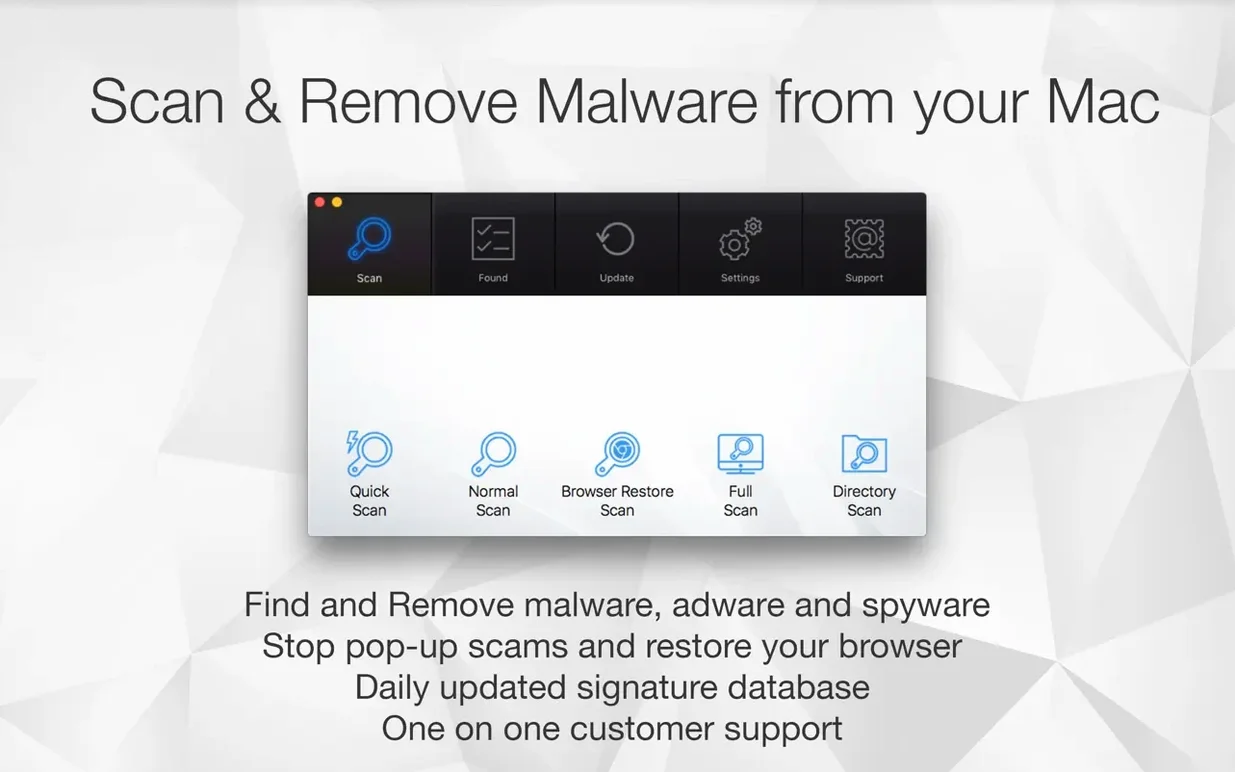
- Open the app from Launchpad. The main window shows a single large scan button — no settings to faff with.
- Click it. The scan checks running processes, system files, browser extensions and caches for anything that looks like malware or adware.
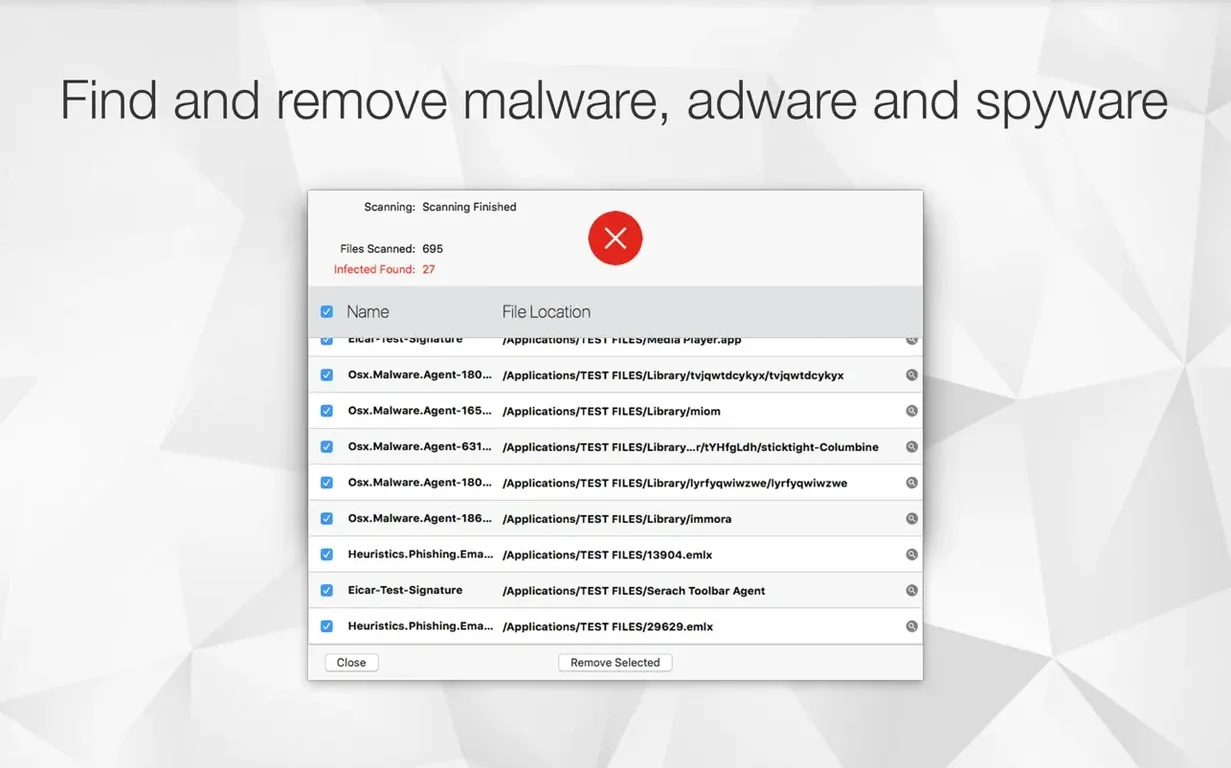
- If it finds something, you see a list with a Remove button next to each item. Click Remove, and the app quarantines or deletes it.
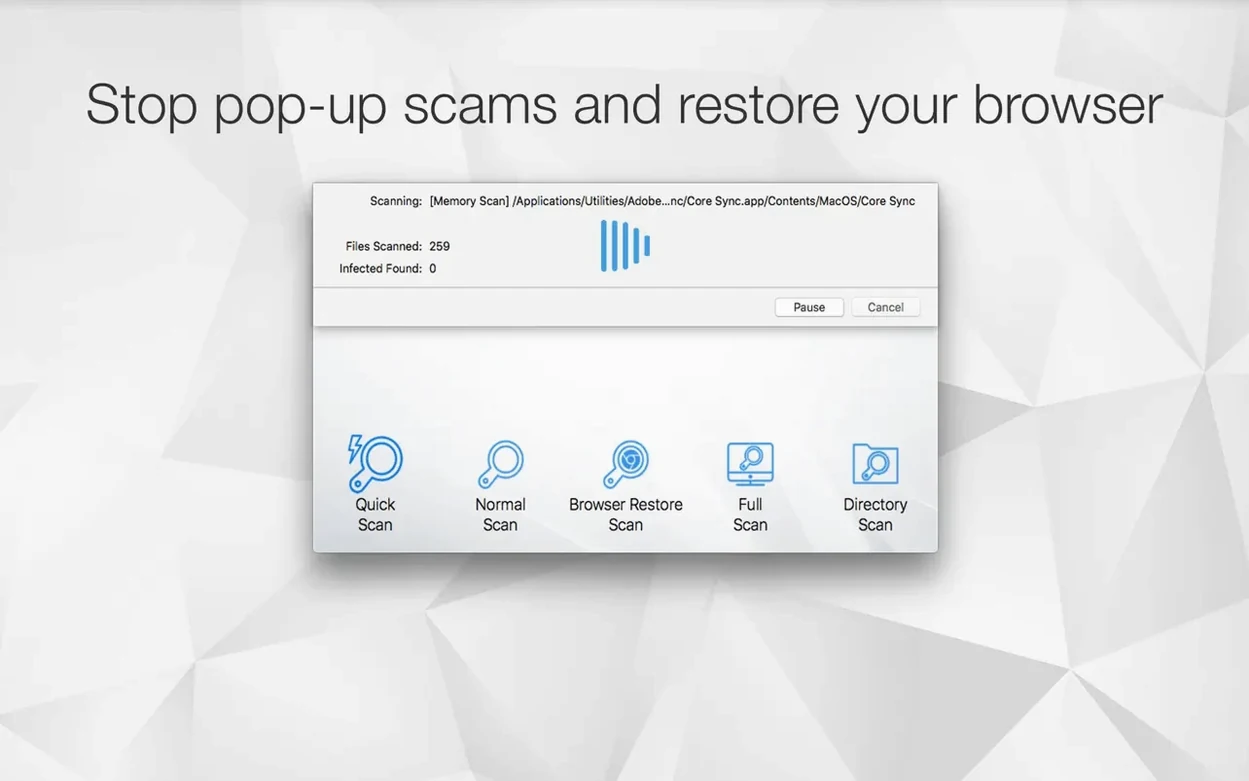
- For extra safety, run the Browser Restore Scan. That clears cookies, dodgy extensions and cached scripts from your installed browsers — a good move if you noticed pop-ups or a changed homepage.
That is it. The whole thing takes a couple of minutes, and you do not need to dig through logs or decide what is safe. Antivirus Zap also integrates with Finder and Apple Shortcuts if you want to automate a regular scan, but the manual run above covers most situations.
Sharper detection during real scans
The current version 3.3.3 brings a few improvements that matter when you are actually running scans, not just reading about them. The developers at Voros Innovation have focused on making the detection side of things a bit sharper, particularly for adware that tries to hide inside browser data.
- Browser Restore Scan now digs deeper into Safari and Chrome profiles. Older versions could miss some adware that buries itself inside a user-level extension folder. Version 3.3.3 catches more of those before they reload on restart.
- Scan scheduling runs more reliably after sleep. If your Mac goes to sleep with a scheduled scan pending, the app now picks it up when the machine wakes rather than skipping it. Handy if you set a daily scan at 2 AM and your laptop spends that time in a bag.
- Finder integration works with macOS 14 and 15 quirks. Some users on newer macOS versions reported that right-clicking a file and choosing "Scan with Antivirus Zap" did nothing. That is sorted in 3.3.3.
- File optimisation for images and video is more consistent. The app can compress video files and adjust resolution, and it converts HEIC, TIFF, MOV and other formats into more common ones. In 3.3.3, the conversion handles larger batches without dropping individual files.
None of these changes alter the basic workflow — you still click one button to scan — but they remove small friction points that used to crop up in a busy week.
Two settings for daily scanning
Antivirus Zap works fine out of the box, but two settings make it more useful for regular use.
- Schedule a scan once per day. The app can run a scan one or multiple times a day. Setting it to once daily, say at a time when your Mac is normally on, means you get a clean check without remembering to do it yourself. You can still run manual scans between scheduled ones if something feels off.
- Enable Apple Shortcuts integration. This lets you trigger a scan from a keyboard shortcut, from the menu bar, or as part of a larger automation. If you already use Shortcuts for other tasks, adding an Antivirus Zap action takes about ten seconds and saves you opening the app each time.
The Finder integration is on by default after installation, so right-clicking a file or folder to scan it works immediately. No need to toggle anything for that.
Real-world scenario: a photographer passing a drive to a client
You shoot a wedding, edit the selects on your Mac, and copy the final gallery onto an SSD to hand to the couple. Before you hand it over, you want to be certain the drive is clean — not because you suspect anything, but because you do not want to be the one who passes along something picked up from a shared lab or a hotel Wi-Fi.
Open Antivirus Zap, drag the SSD icon from the desktop into the app window. The app scans the drive's contents — files, folders, any hidden bits — and reports back in under a minute. If it finds a suspicious file that somehow hitched a ride from the lab's kiosk machine, you remove it before the drive leaves your hands. The Browser Restore Scan is less relevant here, but running a quick scan on the drive itself takes almost no time and gives you a clean handover.
This same workflow works for any external drive, USB stick, or SD card you plug into your Mac. It is one of those uses you do not think about until you need it.
New this release
The Mac App Store edition of Antivirus Zap has been bumped to version 4.3.0.0. No detailed notes came with this one, so it looks like a tidy-up release — stability tweaks, under-the-hood fixes, keeping the scanner sharp without changing what you see.
Mac it needs
- macOS 12 or later
- Apple Silicon and Intel 64-bit Macs
Installing on a Mac
- Open the downloaded disk image.
- Drag the app to the Applications folder alias.
- Once the copy finishes, open Antivirus Zap from Launchpad.
Notes from photographers
Sign in or create your account to leave a comment.
No notes from photographers yet. If you have used this on a real folder, say which camera and which Mac.
Similar apps
Next to it in Utilities
All Utilities picks
AnyTrans for iOS
8.9.14
 App Cleaner & Uninstaller
10.0.3
 AmpliTube
5.8.2
 AppZapper
2.0.3
 AlDente
1.39.4
 Alcove
1.7.9
 Airfoil
5.13.0
 Airflow
3.3.10
