
 Get it for my Mac (7 MB)



 iDownerGo
10.15.0

- Version
- 2.0.0 fix
- Developer
- 宁波上官科技有限公司
- Interface in
- English, Chinese (Simplified)
- Licence on file
- Not required
- macOS it runs on
- macOS 10.12 or later
- Chip support
- Apple Silicon, Intel 64-bit
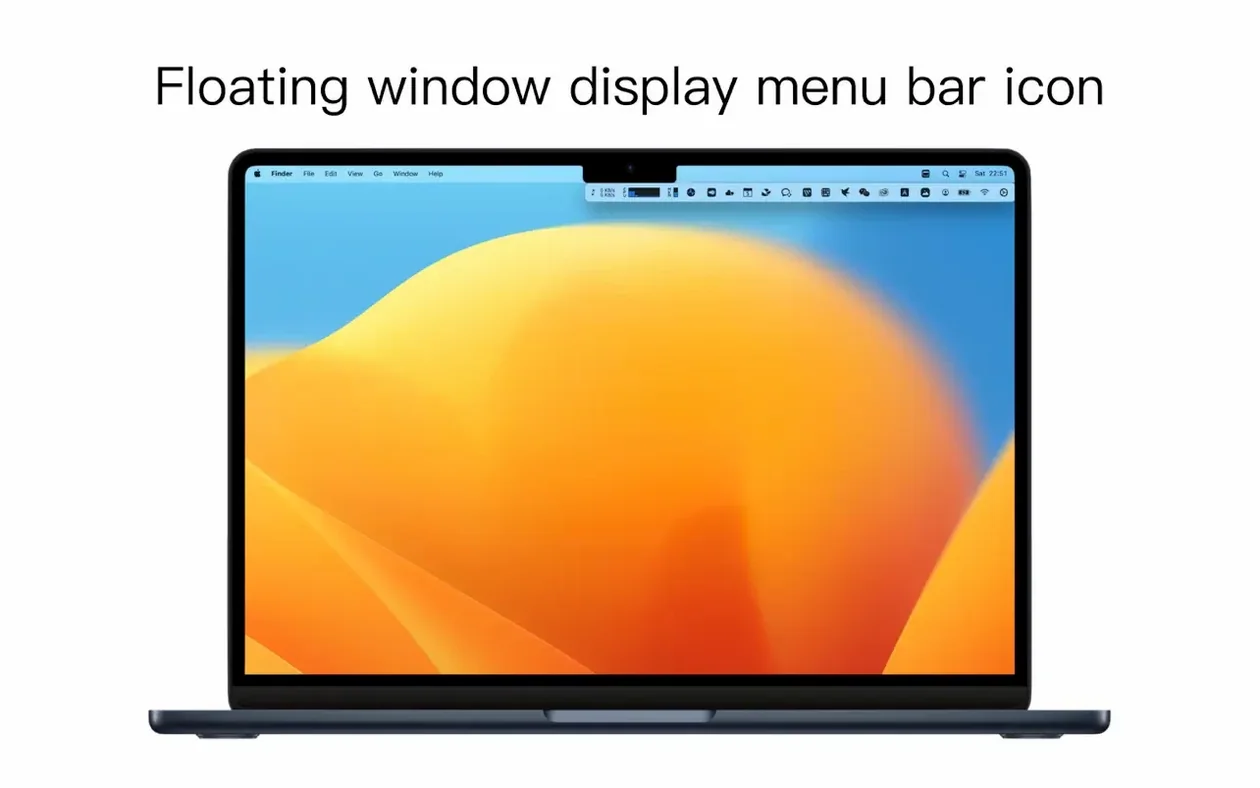
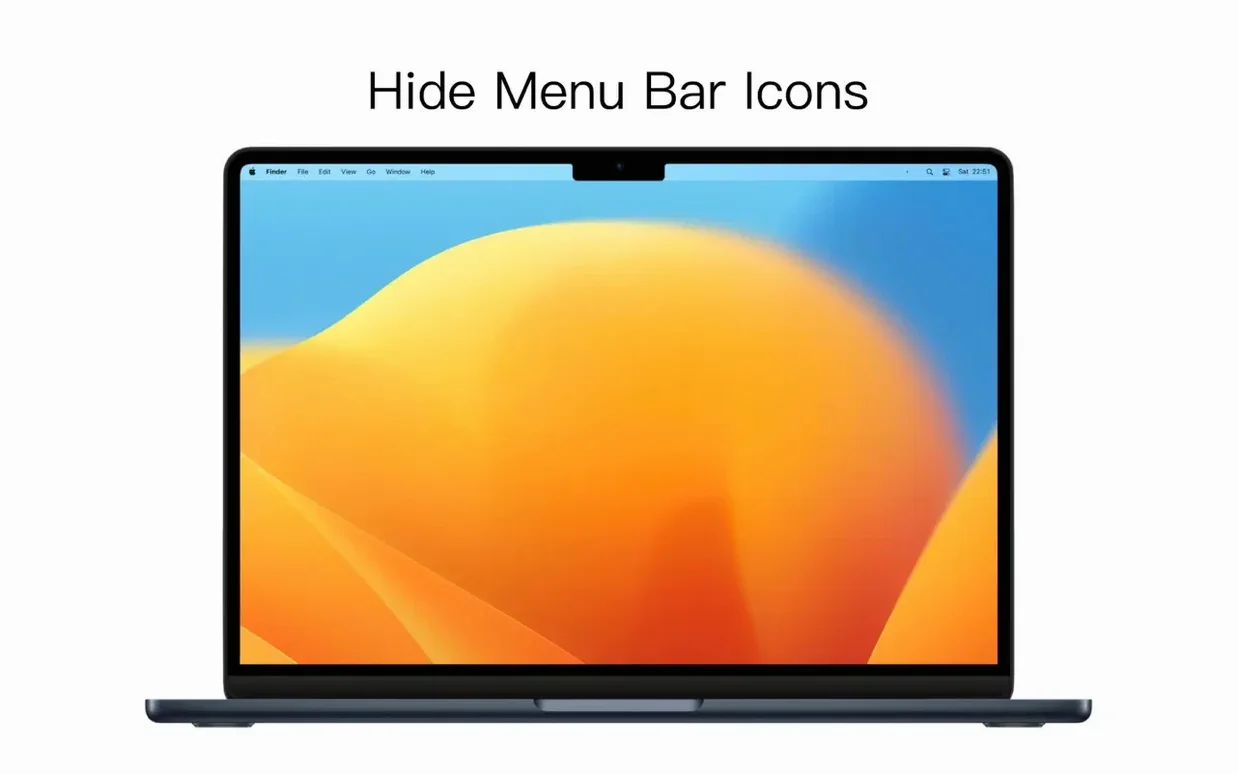
In the edit
macOS 10.12 or later, Apple Silicon or Intel — iBar works on both. It is a menu bar icon management tool that does one thing well: you decide which icons stay visible and which get tucked away. Set icons to always stay hidden, or let them appear only when you need them. The interface speaks English or Simplified Chinese, and it runs natively on M-series chips as well as x86 64-bit. For a working photographer with a crowded menu bar during edits, it means one less distraction when you are trying to focus on the shot.
Hide the icons you never touch
Some menu bar apps just sit there. iBar lets you mark them as always hidden, so they only show when you click the iBar icon.
Keep the important ones visible
iBar does not touch system items — it only manages third-party icons you choose.
Clean up without quitting
No need to quit apps to free up space. Just drag icons into iBar’s hidden section and they are out of sight until you want them back.
Culling 400 raw files before opening Capture One
You sit down after a wedding shoot with four hundred raw files to cull. Before you even open Capture One, you click the iBar icon. The hidden panel slides down. You see the apps you tucked away earlier — the ones that only matter during setup, not during edits. You leave them there. The menu bar now shows only the clock, the volume control, and the iBar icon itself. That is enough.
During the first pass of culling, you do not need to think about the menu bar at all. It stays clean. When you switch to Photoshop for the second pass, you remember you need to check if a file has uploaded. One click on the iBar icon, and the hidden icons appear. You see Dropbox showing a green tick. You click away, and the panel disappears again. No dragging, no right-clicking, no hunting through System Settings.
At the end of the session, you drag a new utility into the hidden section because you noticed it was cluttering the bar again. That takes about two seconds. Then you close the laptop and call it a night.
A common mistake beginners make
The most frequent slip is hiding system icons that cannot be managed. New users sometimes expect to drag those away and get confused when they stay put. The fix is simple: use iBar for the apps you installed, and use macOS’s own Control Centre settings for the rest.
Another mistake is hiding everything at once. Some people start by moving every icon into the hidden section, then realise they need to check something repeatedly — and have to open the panel each time. It is better to leave a few icons visible that you check often, like cloud sync status or a timer. iBar is about reducing clutter, not eliminating every pixel.
Beginners also sometimes forget that hidden icons still run. Hiding an app from the menu bar does not quit it. iBar is a tidy-up tool, not a performance booster. Use Activity Monitor if you want to find out what is actually running.
A quick workflow for cleaning a crowded bar
Start by looking at your menu bar during a normal working day. Note which icons you actually click. For me, that is usually the clock and maybe a cloud drive indicator. Everything else gets the hidden treatment. Open iBar, drag those unused icons into the hidden area. Leave the ones you touch at least once a day visible. After a week, check again. You will probably find one or two icons you moved to hidden that you never open the panel for — those can stay hidden permanently. The bar ends up with four or five items instead of fifteen, and you do not lose access to anything.
Mac it needs
- macOS 10.12 or later
- Apple Silicon or Intel x86 64-bit
Questions I actually get
Does iBar work on Apple Silicon Macs?
Yes, iBar supports both Apple M-series chips and Intel x86 64-bit processors, so it runs natively on any modern Mac.
Installing on a Mac
- Mount the downloaded disk image.
- Drag the app into the Applications folder alias.
- After copying finishes, launch it from Launchpad.
Notes from photographers
Sign in or create your account to leave a comment.
No notes from photographers yet. If you have used this on a real folder, say which camera and which Mac.
