
 Get it for my Mac (15 MB)






 QuickBooks Mac Plus
23.1.9

- Version
- 1.15
- Developer
- Dirk Holtwick
- Interface in
- English
- Licence on file
- K'ed by TNT team
- macOS it runs on
- OS X 10.11 or later
- Chip support
- Intel 64-bit
In the edit
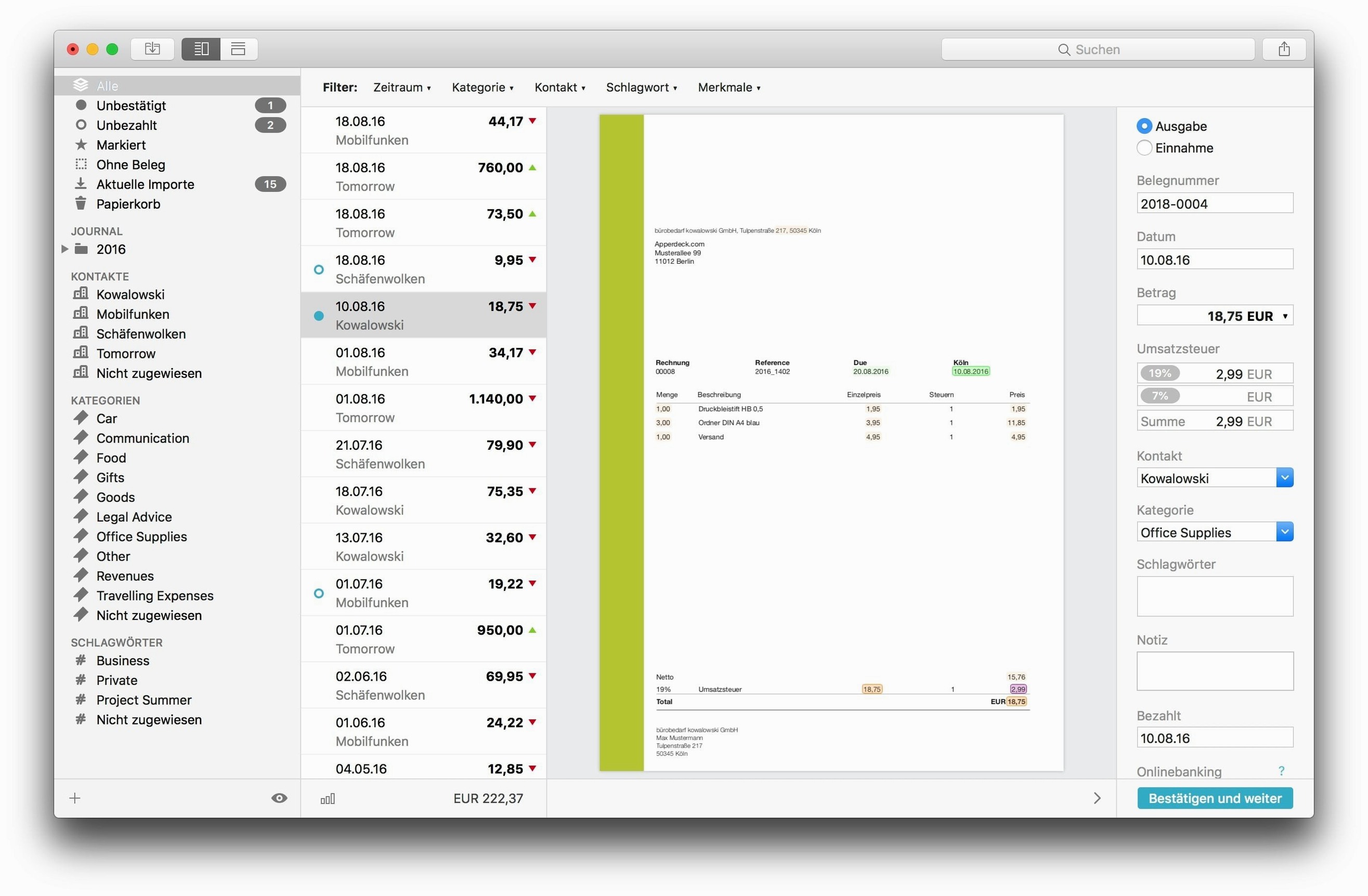
Every photographer I know has a folder — or three — stuffed with paper receipts from gear, studio supplies, travel and the occasional client lunch. Come tax season, digging through them is the last thing you want to do while you should be editing a gallery. Receipts is a Mac app that takes that stack of paper and turns it into a searchable, organised archive without sending your data anywhere.
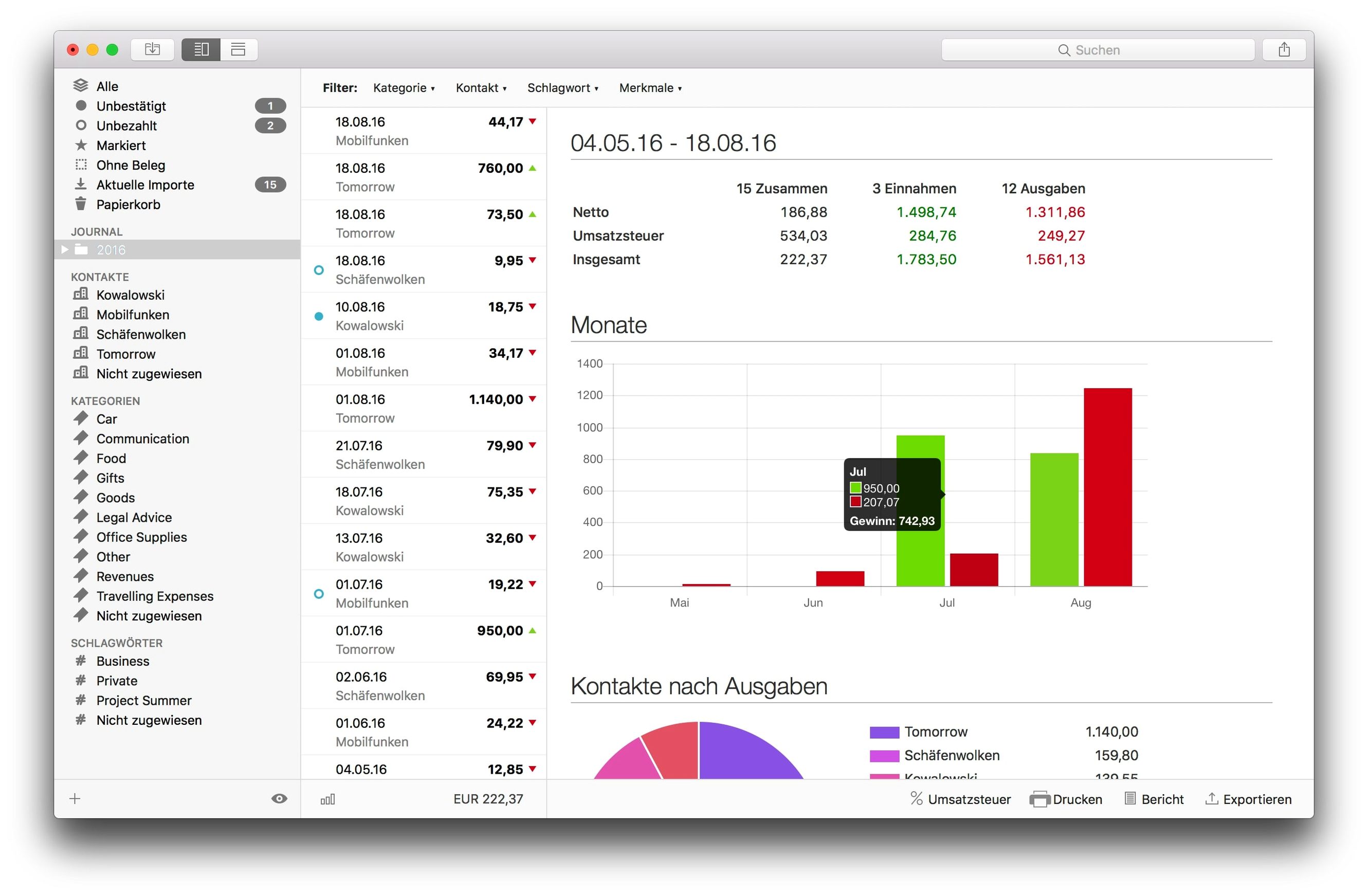
The app reads documents through built-in OCR, pulling out amounts, dates, taxes, currency and payment info automatically. It keeps the original scan alongside a PDF copy, so nothing gets lost. For anyone shooting in euros and billing in pounds, the automatic foreign-currency conversion is a quiet lifesaver.
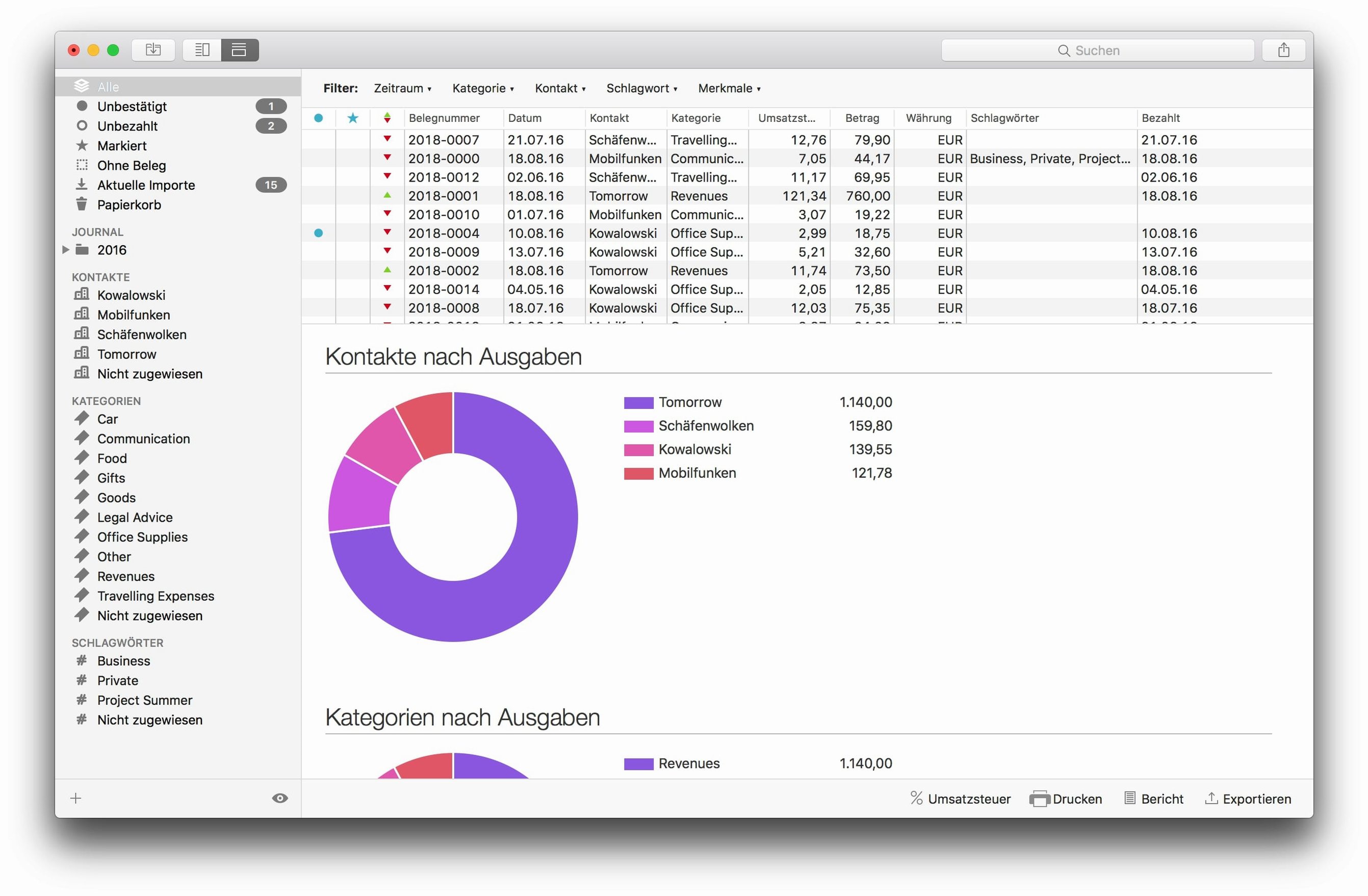
It runs on Intel Macs from OS X 10.11 onwards, and supports desktop scanners that macOS already sees, plus ScanSnap models. Everything stays on your machine; there is no cloud handshake required. Export and reporting functions are there when you need to hand numbers to an accountant, and the search and filter tools mean you can find that single lens receipt from three years ago in seconds.
First things to tweak after installation
Once you've dragged Receipts into your Applications folder and opened it for the first time, a couple of quick settings make the day-to-day much smoother. Head into the preferences and set your default currency and your local tax rate — the app remembers them for every new entry, so you are not typing the same numbers repeatedly. If you deal with receipts in more than one language, enable the additional OCR languages you need from the list; the app supports over a hundred, and it saves you from having to retype foreign text later.
I also recommend turning on the automatic category assignment for recurring receipts. It takes thirty seconds to set up and saves a surprising amount of clicking over a busy season.
A practical first-day workflow
Start with the most recent stack of receipts — say, the last month's worth. Scan or photograph each one, or drop a PDF directly into the app window. Receipts runs OCR on import, so within a few seconds you will see the amount, date and vendor name filled in. Check the recognised fields for accuracy; OCR is good but it can stumble on crumpled till receipts or unusual fonts. Correct anything that looks off before you move on.
Assign a category to each receipt as you go. The app learns your patterns over time, so the more consistent you are early on, the less manual sorting you will do later.
Once the month is entered, run a quick search to make sure everything is tagged. Use the filter to show only uncategorised items; if any slip through, assign them now. Export the month's summary as a PDF or CSV and file it with your quarterly notes. That is the whole process: import, verify, categorise, export. After the first few batches it becomes a ten-minute routine rather than a chore.
Getting the most from search and filters
Receipts stores everything locally, so search is immediate. Use the date range filter to narrow down a specific job or trip. The keyword search covers both the OCR text and any notes you have added, which means a receipt for "memory card" will turn up even if the shop's till receipt only printed a reference number. For anyone chasing down expenses for tax preparation, this kind of quick lookup is where the app earns its keep.
If you handle receipts for multiple people — a partner's business expenses, or receipts from a joint shoot — you can keep everything in one library and rely on tags and filters to separate them later. No need to maintain separate databases or duplicate scans.
Mac it needs
- macOS: OS X 10.11 or later
- Architecture: Intel
- Interface languages: English
Questions I actually get
What kinds of documents can Receipts handle?
It is built for receipts, but also manages invoices, bank statements and other documents you might need for taxes, expenses or bookkeeping.
Does Receipts store my data online?
No. All data is stored locally on your Mac. There is no cloud component unless you choose to export files yourself.
Installing on a Mac
- Mount the disk image and run the app — Gatekeeper will stop it the first time.
- Press Enter in the Terminal window that appears to bypass Gatekeeper for this app.
- Drag Receipts into your Applications folder.
- Launch it from Applications and you are ready to go.
Notes from photographers
Sign in or create your account to leave a comment.
No notes from photographers yet. If you have used this on a real folder, say which camera and which Mac.
