
 Get it for my Mac (180 MB)







 CloudMounter
4.18
- Version
- 5.7.0
- Developer
- MacPaw
- Interface in
- Russian, English, German, Spanish, Italian, Chinese (Simplified), Korean, Dutch, Polish, Ukrainian, French, Japanese
- Licence on file
- Not required
- macOS it runs on
- macOS 11 or later
- Chip support
- Apple Silicon, Intel 64-bit
In the edit
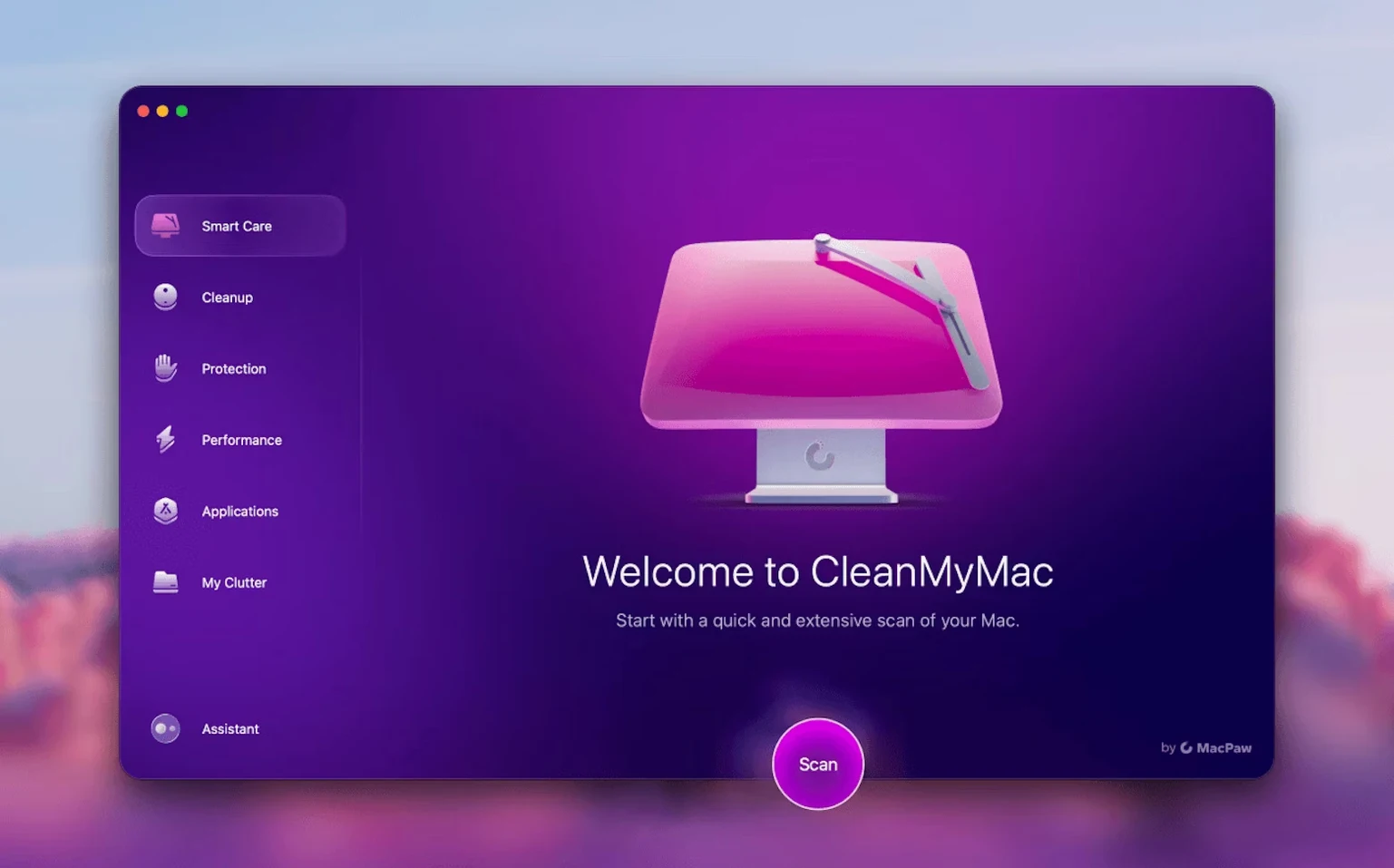
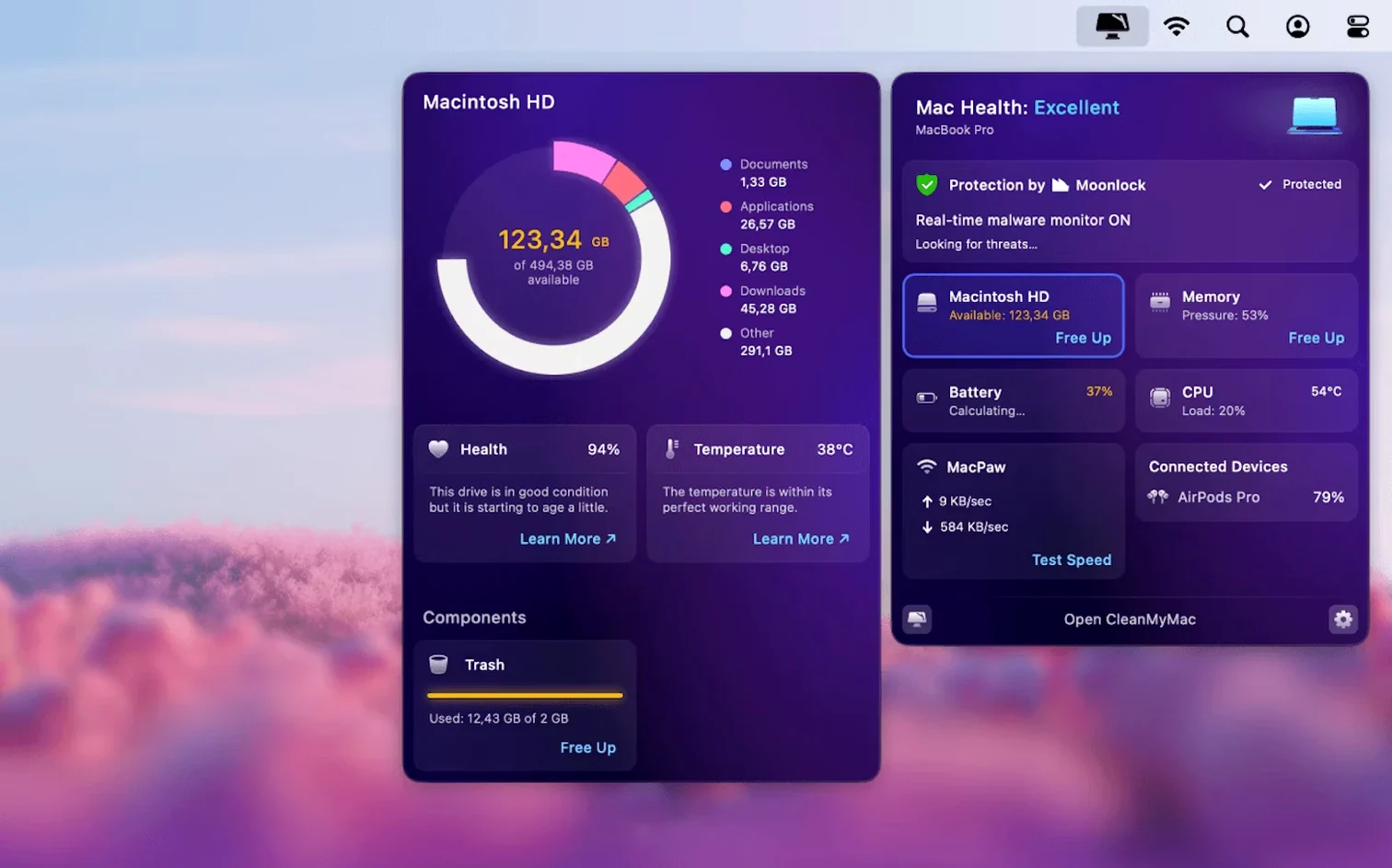
CleanMyMac is a Mac utility for cleaning, maintenance, and security tasks, built by MacPaw and now at version 5.7.0.
What CleanMyMac does and whether it is safe to install
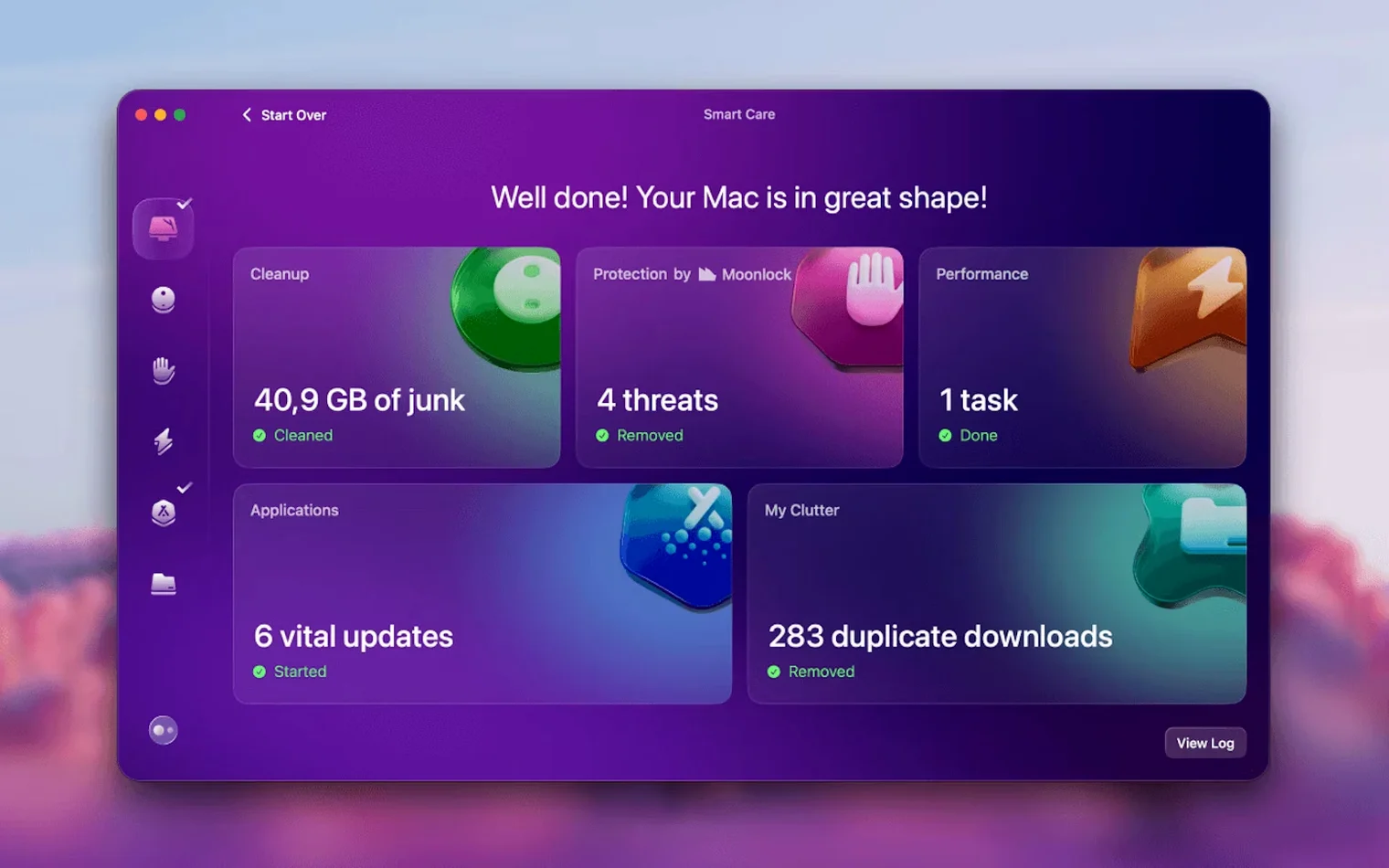
- What does it do? It clears junk files, uninstalls apps thoroughly, runs maintenance scripts, and includes a malware protection module.
- Is it safe to use? Yes — you drag the app into your Applications folder, grant full disk access on macOS 27, and you are set.
- What languages does it speak? English, Russian, German, Spanish, Italian, French, Dutch, Polish, Ukrainian, Japanese, Simplified Chinese and Korean.
New Gmail cleaning tools in the latest update
The latest release adds tools for cleaning and managing Gmail mail directly inside the app, plus a new email cleanup function that digs into attachments and old messages. If you rely on Gmail, it is a handy addition to an already practical toolbox.
What to tweak first after installing
Once you have CleanMyMac in your Applications folder and it is running, it is worth spending a few minutes on the settings before you let it loose. Open the app and look for the preferences area — that is where you control what gets scanned, what gets skipped and how aggressive the cleaning should be.
The first thing I set is the exclusion list. If you keep a folder of RAW photo backups or a downloads folder you want to keep untouched, add those paths before the first scan. It saves you from accidentally removing something you meant to keep. The app respects those exclusions every time you run a clean.
Next, check the scheduling option. If you prefer a hands-off approach, you can set CleanMyMac to run maintenance tasks on a regular cadence. I leave it to run a quick system scan once a week, usually on a Sunday evening before I start a new batch of edits. It catches cache files and logs that build up during a busy editing week without me having to remember to run it.
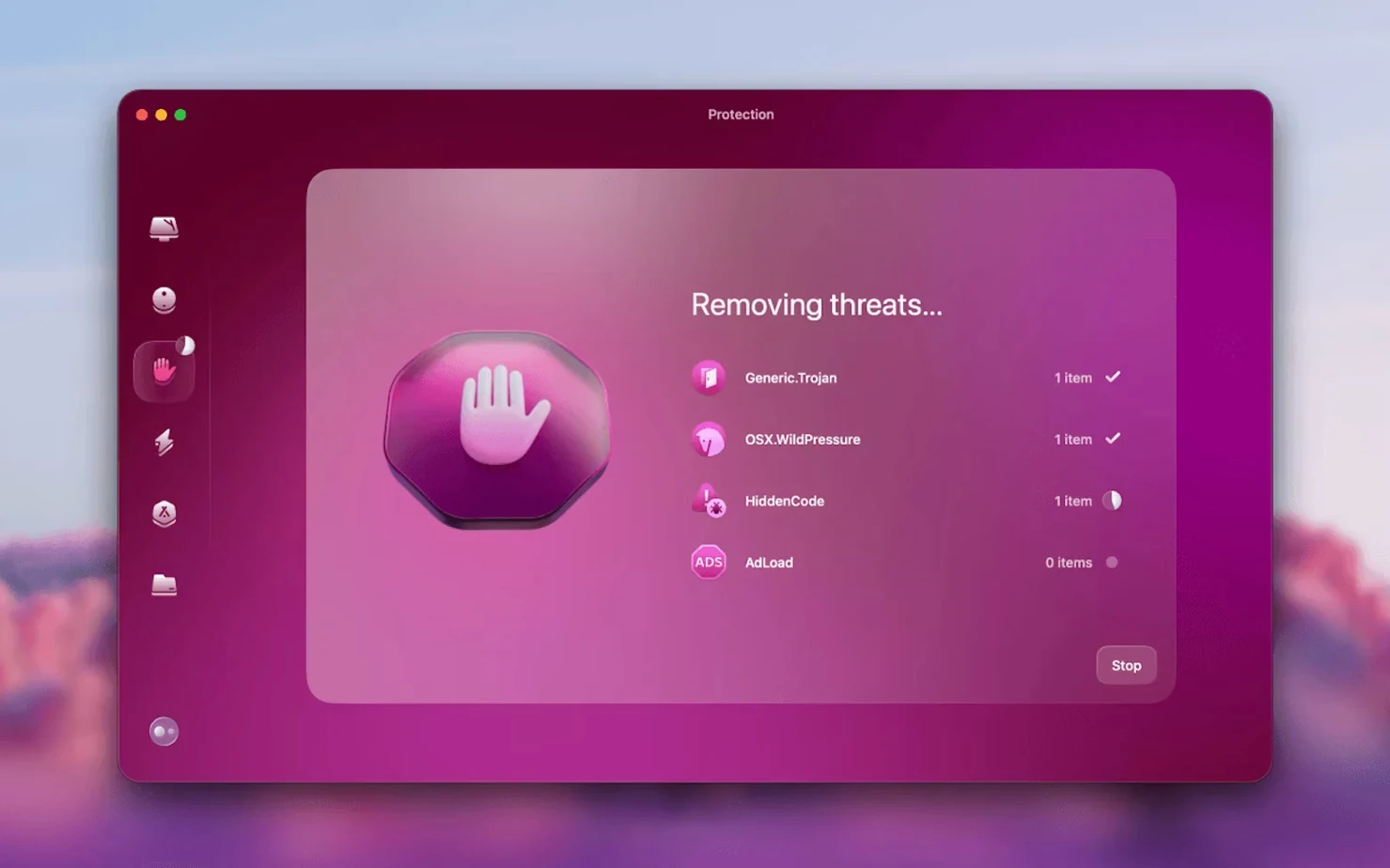
For the malware protection module, I toggle on real-time scanning if I am working with external drives or downloading presets and plugins from less familiar sources. It sits quietly in the background and only alerts you when it finds something worth looking at.
One setting I rarely touch is the automatic trash emptying — I prefer to review what is in the Trash before it disappears. That is a personal thing, but the option is there if you want it to run on a timer.
Working through a full cleanup: one workflow
Let me walk through how I run CleanMyMac on a typical week. This is not the only way to use it, but it is a routine that covers the main bases without overthinking it.
I start with the System Junk tab. I click Scan and let it find the usual suspects: user cache files, system logs, language files I do not need and old app leftovers. When the scan finishes, I review the list before clicking Clean. Sometimes I spot a cache folder I want to keep for an app I am still using, so I uncheck that item. Then I run the clean.
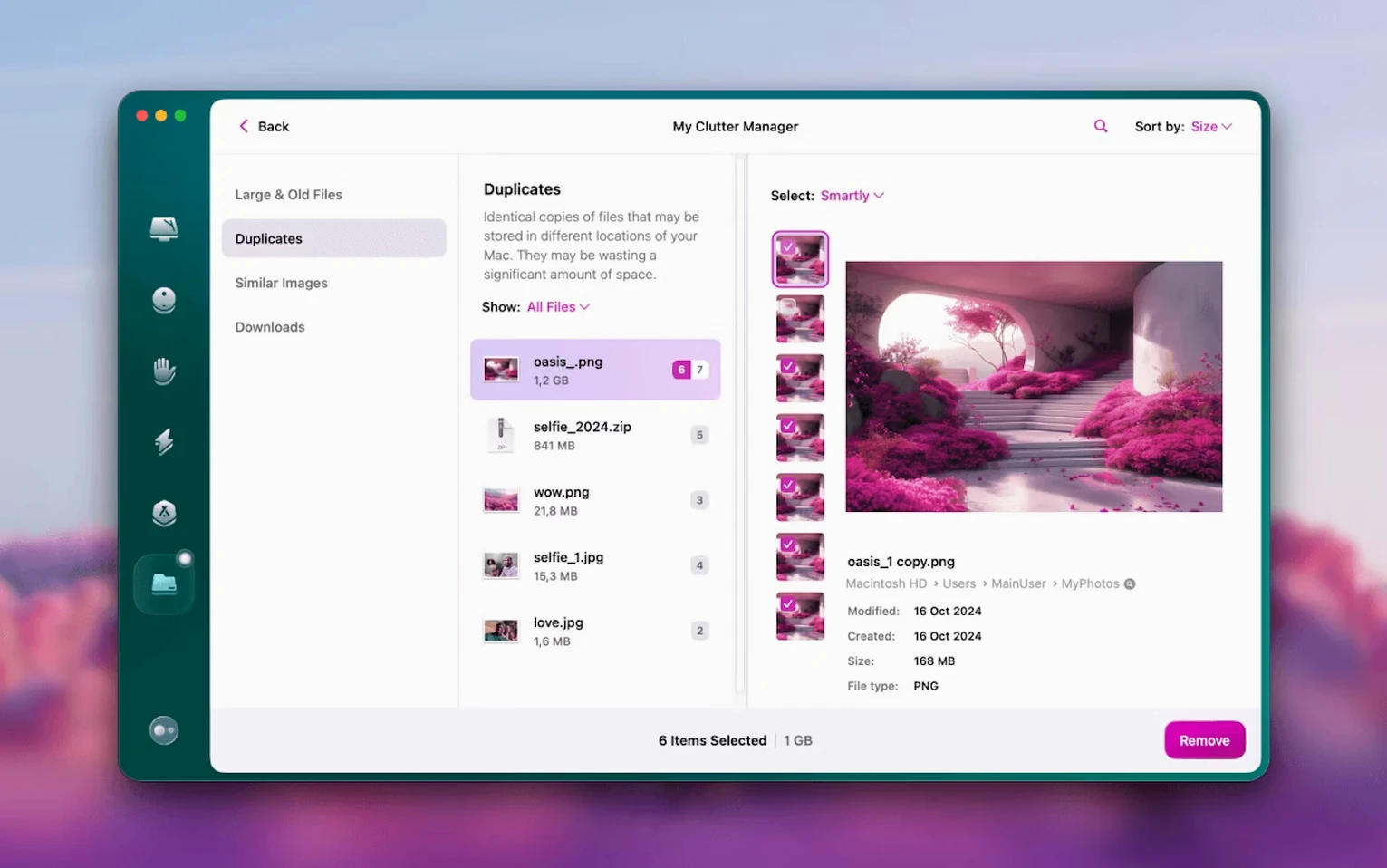
Next, I go to the Large & Old Files tool. This is where I find the heavy stuff — old disk images from past software installs, video projects I forgot to delete, or duplicate files that accumulated during a shoot. I sort by file size and work through the biggest items first. Anything I am sure about, I delete. Anything I am unsure about, I leave alone or move to an external drive.
After that, I move to the Apps section. I check for outdated applications using the Updater tool. If there is an update for something I use regularly, I apply it from inside CleanMyMac rather than opening each app individually. Then I use the Uninstaller to remove any apps I have not opened in months — it finds leftover preference files and support folders that a simple drag-to-Trash would miss.
Finally, I run the Protection module for a quick malware scan. It takes a few minutes and gives me peace of mind, especially after I have been downloading free fonts or plugin installers. Once that finishes, I close the app. The whole routine takes maybe fifteen minutes.
File Scope gives you a memory view of files and folders
CleanMyMac has a few details that do not make the main feature list but make daily use nicer. Here are the ones I keep coming back to.
File Scope gives you a memory view that shows which files and folders are taking up space in a visual layout. It is useful when you want to understand your disk usage without digging through Finder. I open it when I need to decide whether to archive a project folder or delete it outright.
The permanently delete files tool is separate from the main system junk cleaner. If you have files you want to erase securely — old tax documents, client contracts from finished projects — you can drop them into this tool and it handles the deletion in a way that makes recovery difficult. It is a small thing, but it beats manually overwriting files with a third-party tool.
The app removal tool does more than delete the main app bundle. It hunts down the associated support files, caches and preference plists that tend to linger after a manual uninstall. I have used it on apps I installed to test for a single project and then never needed again, and it cleared out megabytes of leftover data I would not have found on my own.
If you work in a shared office or hand your Mac to clients during proofing sessions, the privacy module is worth a look. It cleans browser histories, recent file lists and chat logs from multiple apps in one pass. I run it before I send a laptop out for repair or lend it to someone.
And one more thing: the app updater covers not just MacPaw software but also many common third-party apps. It checks for new versions and lets you apply them without visiting each developer's site. For a photographer who keeps Lightroom, Capture One and a handful of other creative apps current, it saves a few clicks every week.
New this release
- Adds tools for cleaning and managing mail in Gmail
- New email cleanup functionality for attachments and old messages
Mac it needs
- macOS 11 or later
- Intel or Apple Silicon
Installing on a Mac
- Remove any older version of CleanMyMac before installing or updating.
- Open the downloaded disk image.
- Drag the app to the Applications folder alias.
- After copying finishes, open the app from Launchpad.
- On macOS 27, grant full disk access before launching.
Notes from photographers
Sign in or create your account to leave a comment.
No notes from photographers yet. If you have used this on a real folder, say which camera and which Mac.
