 Get it for my Mac (175 MB)
 Komplete Kontrol
3.5.4
- Version
- 1.0.3
- Developer
- KORG Inc.
- Interface in
- English
- Licence on file
- K'ed by MORiA
- macOS it runs on
- macOS 10.13 or later
- Chip support
- Apple Silicon, Intel 64-bit
In the edit
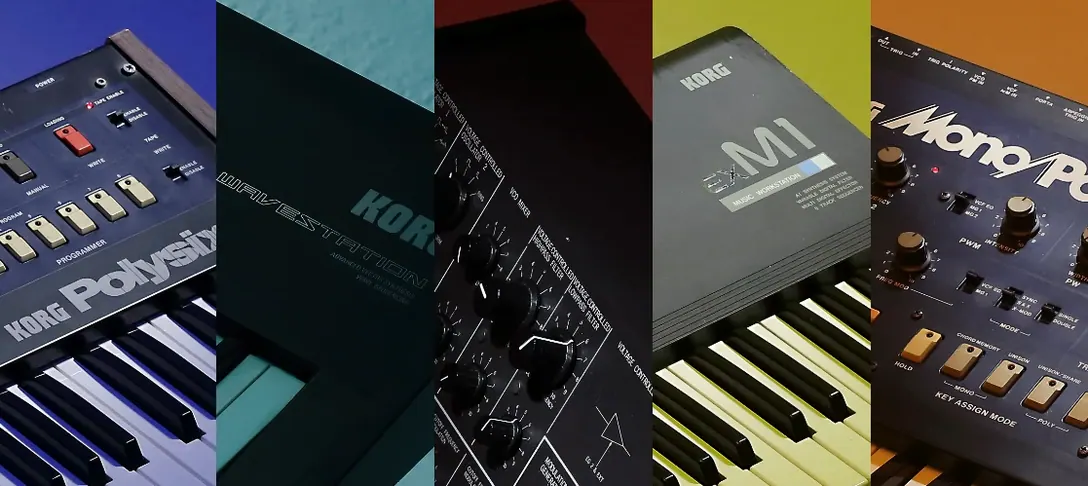
You have a mix bus open and a pad sound that needs to sit behind a voiceover, or a lead line that wants the character of a late-70s polysynth. KORG Collection puts the right instrument on that track without asking you to leave the session. The 2026 update brings TRINITY, PS-3300, SGX-2 and Filter Ark to the suite, so you can grab a rich piano from SGX-2 or a warm string pad from the PS-3300 and keep editing.
Layer workstation-style pads and a three-voice polysynth on one track
- TRINITY — workstation-style layering for complex pads and sequences
- PS-3300 — a three-voice polysynth with a sound that sits naturally in a dense mix
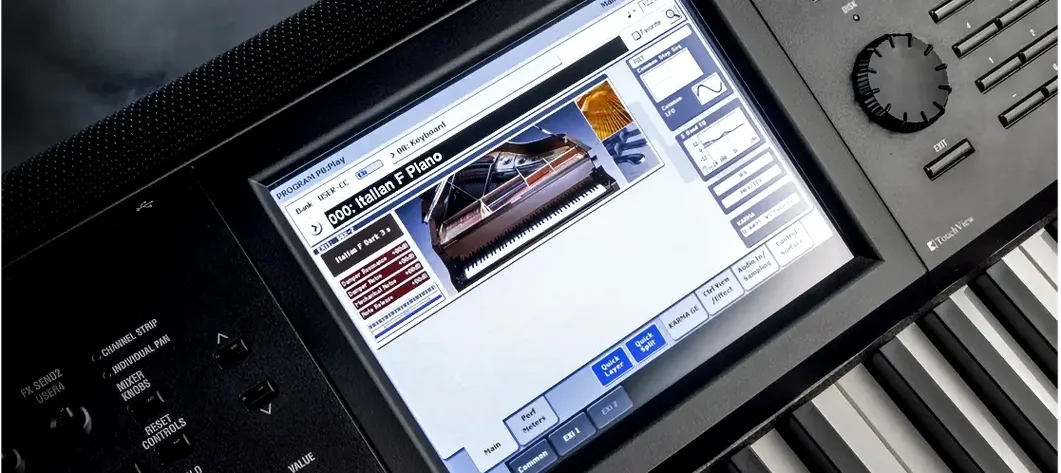
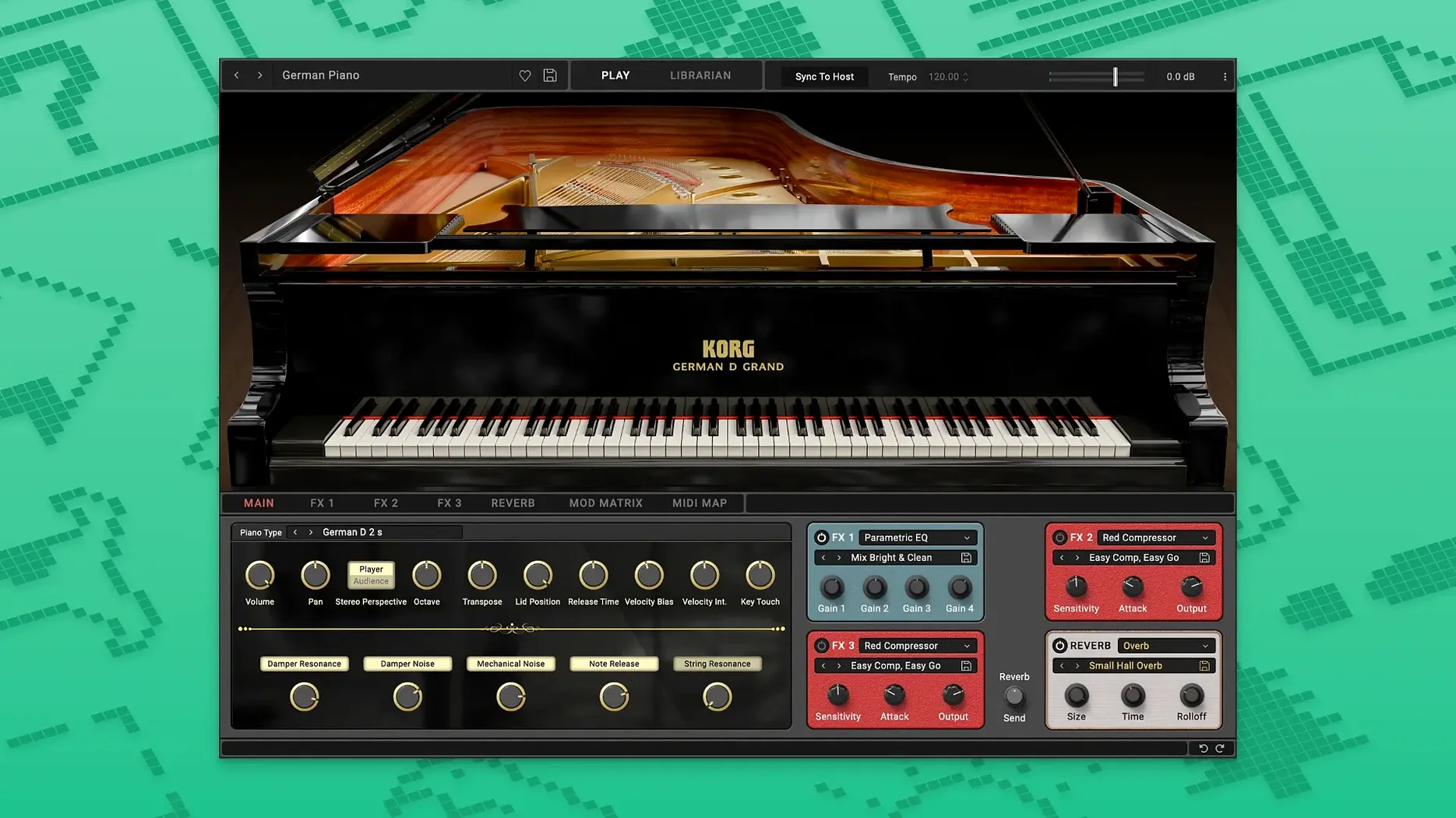
- SGX-2 — a sampled grand piano that works straight on a stereo bus without extra processing
- Filter Ark — a multi-mode filter plugin for shaping any audio channel
Load SGX-2 piano straight to a stereo mix bus in your DAW
The suite runs as a plugin inside your DAW, so you load it on a software instrument track or an audio bus. The SGX-2 piano, for example, goes on a dedicated track and outputs stereo straight to the mix bus. The TRINITY and PS-3300 work the same way — instant recall, no external hardware. For a working photographer who also scores, it means one less cable to worry about.
Fix a plugin that won't show up after installation
A few things trip people up when they first load KORG Collection. The most frequent one is a plugin that doesn't show up in the DAW after installation. If that happens, check that the plugin files landed in the right component or VST folder — sometimes the installer puts them somewhere the host isn't scanning. A quick rescan of your plugin directories inside the DAW usually fixes it.
Another one I hear about is the SGX-2 piano sounding too bright or too dull on a first play. The brightness and softness controls are there for a reason — dial them in per track rather than trying to get a one-size-fits-all sound. The keyboard response slider also makes a real difference if you're using a lightweight controller that doesn't have its own velocity curve adjustment.
If you're running on an older Mac with macOS 10.13 or 10.14, the suite works fine, but you might want to keep an eye on how many instances you load. The PS-3300 and TRINITY are fairly light, but stacking a few of them with heavy reverb tails can eat into available processing. Freeze or bounce tracks once you're happy with the part, and you'll have plenty of headroom left for other plugins.
Build a bright pad that opens into an aggressive lead for TV sync
A composer I know works on library music for TV sync. He had a brief for a cue that needed a bright, layered pad in the verse that could open up into a more aggressive lead in the chorus. He loaded TRINITY on a single track, set up a layered combi with a digital waveform on the lower register and a slightly detuned saw on the top. The whole thing took about ten minutes, and the chorus lift came from switching the combi slot rather than adding a second instrument track. He says it saved him the time of routing multiple instances and writing automation for a part that only needed a single key switch.
How the SGX-2 fit into the same cue
For the bridge, he wanted a solo piano part that could sit under a spoken word section without fighting the voice. He loaded SGX-2, turned the brightness down a couple of notches and added a touch of reverb from the plugin's own control. No external reverb needed, and the piano sat right in the middle of the stereo field without any extra panning. The natural note decay meant he didn't have to ride the fader during the performance — the tail just faded out at the right pace.
Stay in your DAW workflow with layering for keyboard players who record
Music producers working inside a DAW are the obvious fit — the suite's plugin format means you stay in your workflow without patching hardware. But beyond that, keyboard players who record their own parts benefit from the TRINITY's layering and the PS-3300's character, because you can build a complete arrangement from one or two tracks rather than recording multiple takes and comping them.
Sound designers also get a lot from the Filter Ark plugin, especially if they work with field recordings or sampled material. Running a vocal clip or a drum loop through the multi-mode filter and automating the cutoff creates movement that would take more effort with a stock EQ. And if you're a producer who also composes for picture, the SGX-2 is a quick way to get a credible piano sound without spending an hour tweaking a sampled piano library that wasn't designed for plugin use.
The suite is also useful for anyone who wants a specific KORG sound from the past without maintaining old hardware. The PS-3300, for instance, is a rare synth with a sound that doesn't exist in many modern plugins. Having it as a plugin means you can recall it on any session without waiting for a vintage unit to warm up.
Mac it needs
- macOS 10.13 or later
- Intel or Apple Silicon Mac
- Compatible DAW that supports VST, AU or AAX plugins
Questions I actually get
Which macOS versions does KORG Collection support?
The suite supports macOS 10.13 and later, and it runs on both Intel and Apple Silicon Macs.
What is included in the 2026 update?
The 2026 update adds TRINITY, PS-3300, SGX-2 and Filter Ark. SGX-2 is part of KORG Collection 6.
Installing on a Mac
- Download the package and mount the disk image.
- Drag the plugin files to your system's component or VST folder, or run the installer if one is included.
- Open your DAW and scan for new plugins — the KORG Collection instruments appear in your instrument list.
- Activate the plugin using the instructions inside the package; the serial or license file is in the same folder.
- Tip: keep the activation file somewhere safe in case you need to reinstall mid-season.
Notes from photographers
Sign in or create your account to leave a comment.
No notes from photographers yet. If you have used this on a real folder, say which camera and which Mac.