
 Get it for my Mac (51 MB)




 Minecraft
1.21.7
- Version
- 1.13
- Developer
- Utopia Software
- Interface in
- English
- Licence on file
- Not required
- Chip support
- Apple Silicon, Intel 64-bit
- Edited with it on
- macOS Tahoe, MacBook Pro (M3 Max. 2023)
- Out on
- 1.12.1997
- Voices in
- English
In the edit
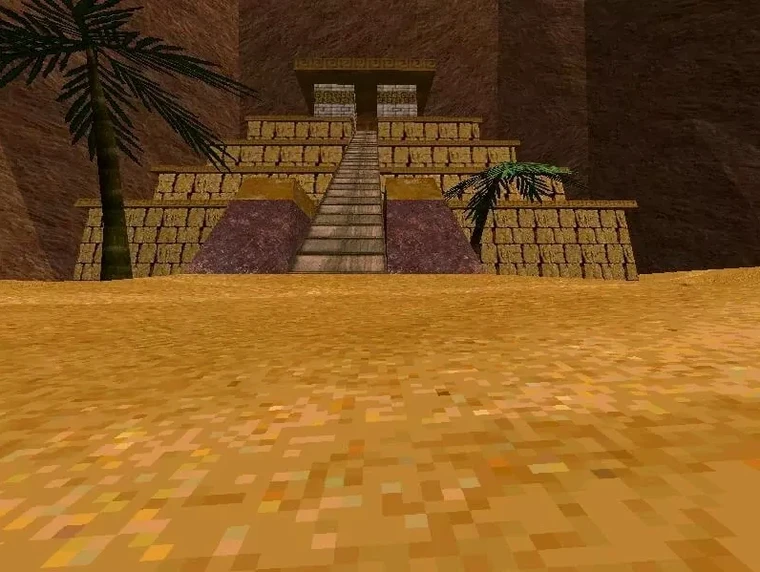
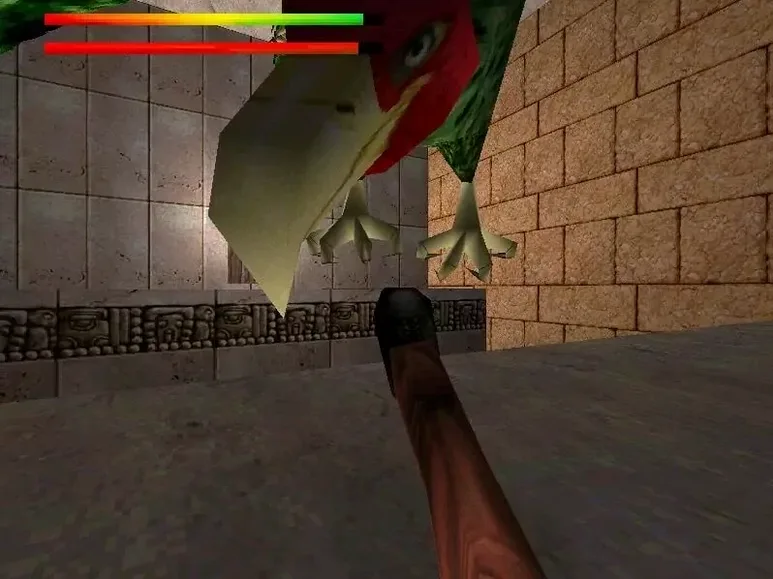
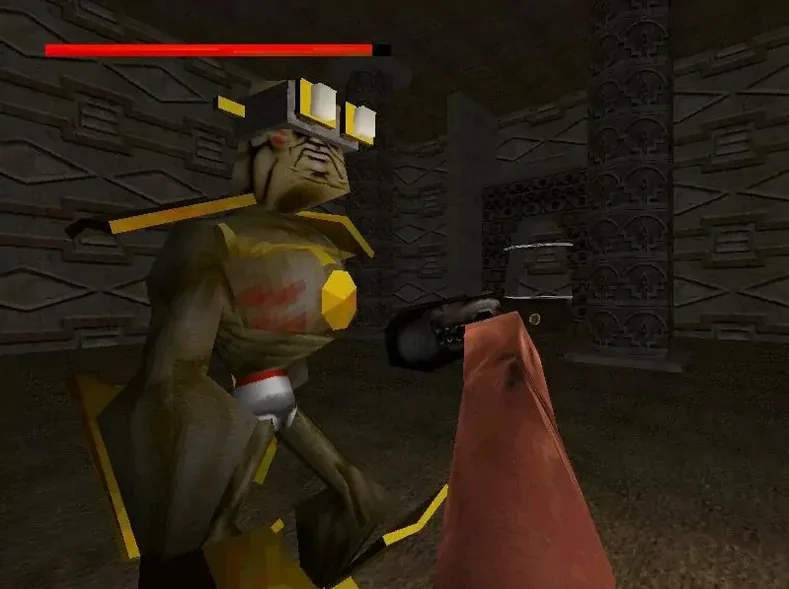
Retro gamers and anyone who missed the 90s first-person platformer wave will find a lot to like in Montezuma's Return. This 1997 action-adventure puts you on an uninhabited island after a crash, where a curse tied to your ancestor's tomb sets the stage. It's a proper puzzle-exploration game, not a run-and-gun.
Works on Apple Silicon and Intel Macs
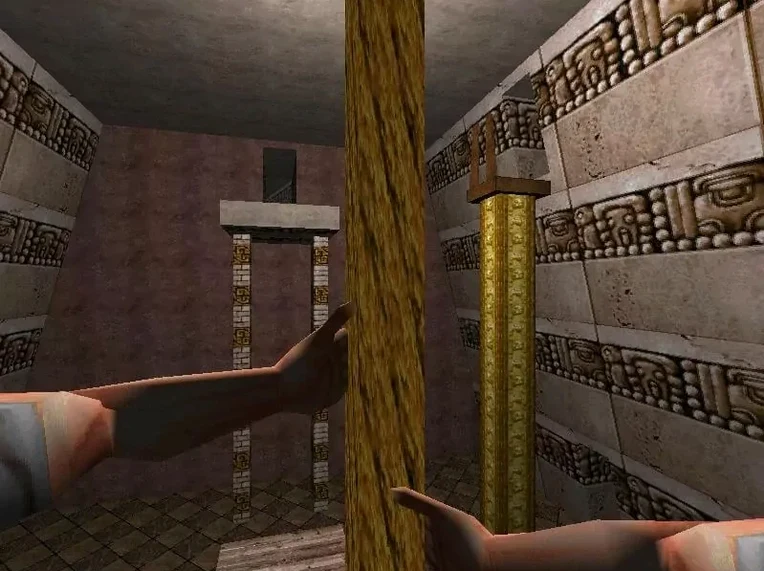
The current build supports both ARM and x86 64-bit Macs, so it works on Apple Silicon and Intel machines alike. It's been tested on macOS Tahoe with a 2023 MacBook Pro M3 Max, and the developers say it runs fine. Expect a straightforward experience – no fancy settings, just the game as it was. Controls are simple: move, jump, grab ropes and ladders, and time your steps across disappearing platforms. Performance is smooth on recent hardware, and the interface is in English.
Explore 150+ rooms of platforming puzzles
Montezuma's Return is built around more than 150 rooms designed as platforming puzzles. You'll collect treasures and find keys to progress, while figuring out how to reach each exit. It's the kind of game that rewards patience and observation. If you grew up with first-person platformers or just like a good retro challenge, this one earns a spot on your Mac.
Version 1.13 runs natively on modern Macs
Version 1.13 is the current release, and it's the one you want for a modern Mac. The main change from earlier builds is architecture support: this version runs natively on both Apple Silicon and Intel 64-bit systems, which means no Rosetta translation layer or emulation trickery. For everyday play, that translates to the game feeling exactly as it did on a 90s machine — no extra lag from compatibility wrappers, no configuration fiddling. The game also requires no activation, so you can install it, launch it and start exploring ruins without any account or online check.
The game launches without a settings menu
There aren't many settings to speak of, which is part of the charm. The game launches straight into its action without a launcher or preferences panel to wade through. A couple of things worth checking before you dive in:
- Resolution and display – The game runs in its original aspect ratio, so expect a smaller window on a modern screen. That's normal for a 1997 title. If you prefer full-screen, use your Mac's display settings rather than anything in the game itself.
- Keyboard controls – The default layout is straightforward, but take a moment to familiarise yourself with the jump and rope-climb keys before you hit a timed platform section. There's no remapping menu, so what you see is what you get.
- Sound – The game includes voice and English dialogue, so make sure your Mac's volume is up and your output is set to speakers or headphones you like. No in-game volume slider exists, so adjust from your Mac's menu bar.
Once those are sorted, you're ready to explore the 150-plus rooms as they were designed.
Runs smoothly on most Mac hardware
The game is lightweight by today's standards. It runs on macOS Tahoe and has been tested on a 2023 MacBook Pro with M3 Max, but it will work on far less powerful hardware too. Because the build supports both ARM and x86 64-bit architectures, you don't need to worry about which Mac you own. The disk image installs in seconds: open the downloaded DMG, drag the app to your Applications folder shortcut, and after the copy finishes, launch it from Launchpad. That's it. No background processes, no updaters, no internet connection required once the game is installed. It's a self-contained slice of 90s game design that fits neatly into your Applications folder and runs whenever you want a bit of retro puzzle-platforming.
Mac it needs
- macOS: any recent version (tested on Tahoe)
- Architecture: ARM and x86 64-bit
- Interface language: English
Questions I actually get
Does Montezuma's Return run on Apple Silicon Macs?
Yes, the current build supports both ARM and x86 64-bit architectures, so it runs on Apple Silicon and Intel Macs.
Installing on a Mac
- Open the downloaded disk image.
- Drag the app to the Applications folder shortcut.
- After copying finishes, launch the app from Launchpad.
Notes from photographers
Sign in or create your account to leave a comment.
No notes from photographers yet. If you have used this on a real folder, say which camera and which Mac.
