 Get it for my Mac (374 MB)
 No Man’s Sky
7.06 Native
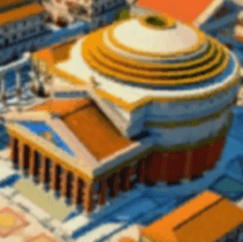
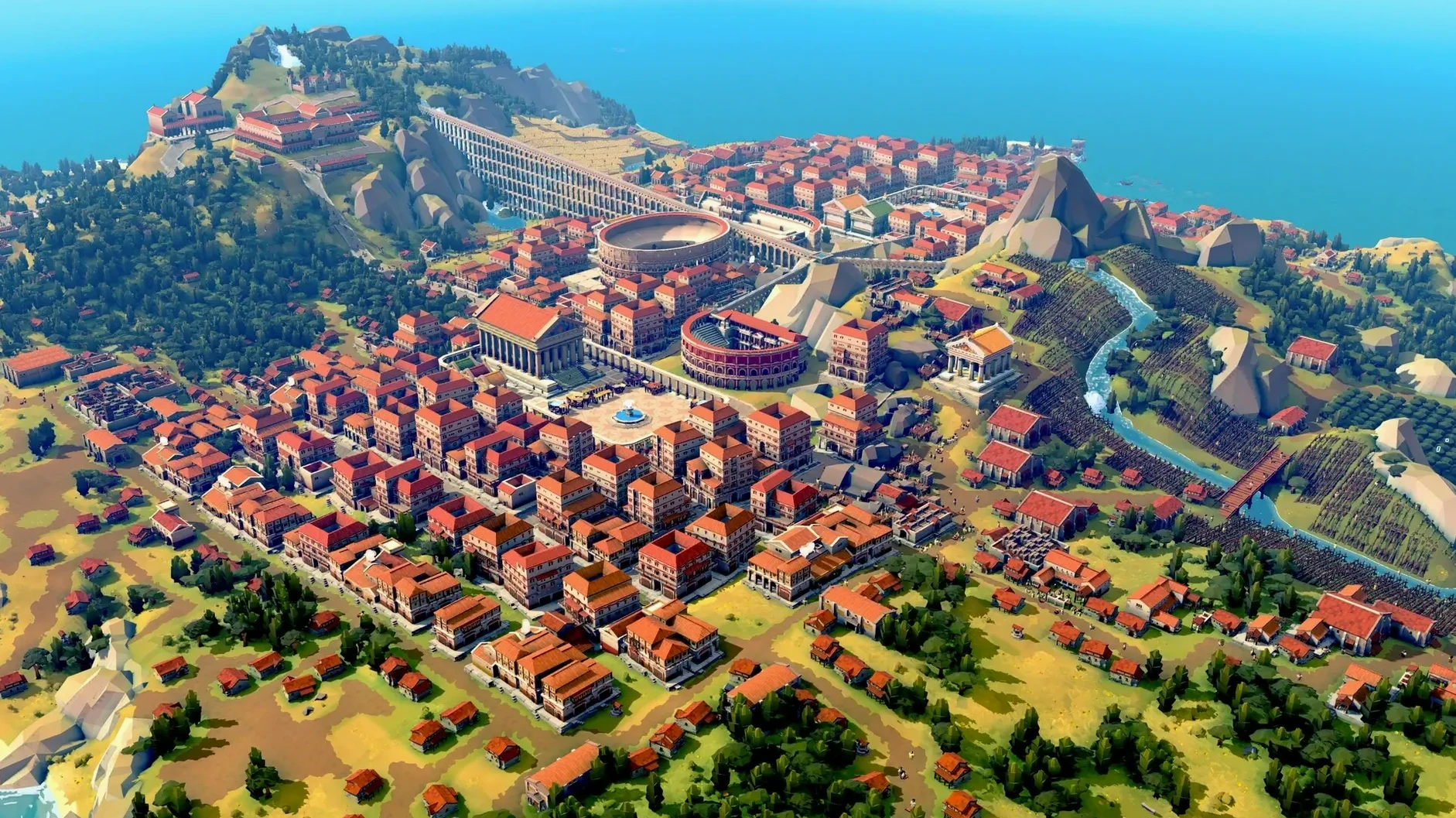
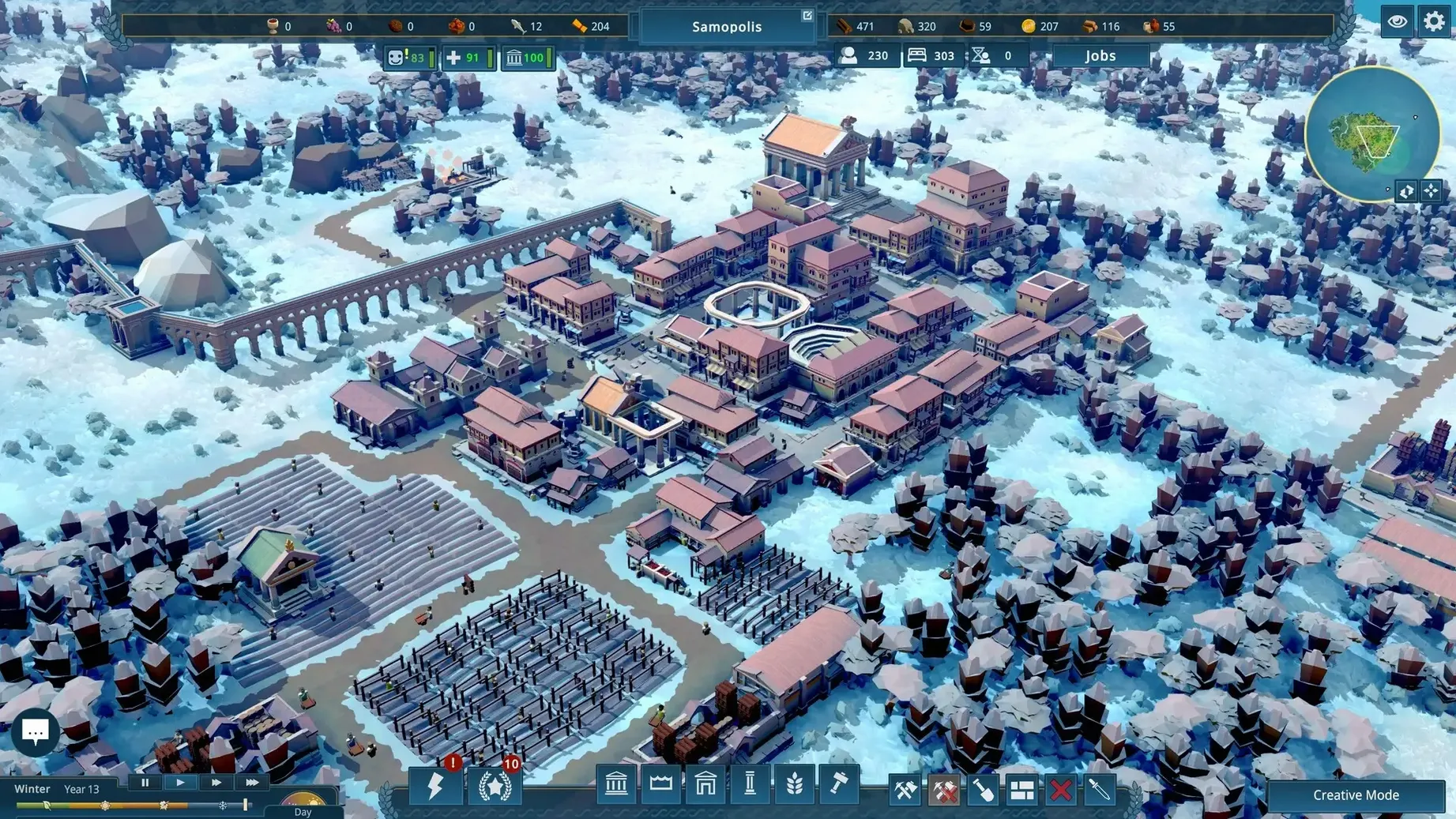
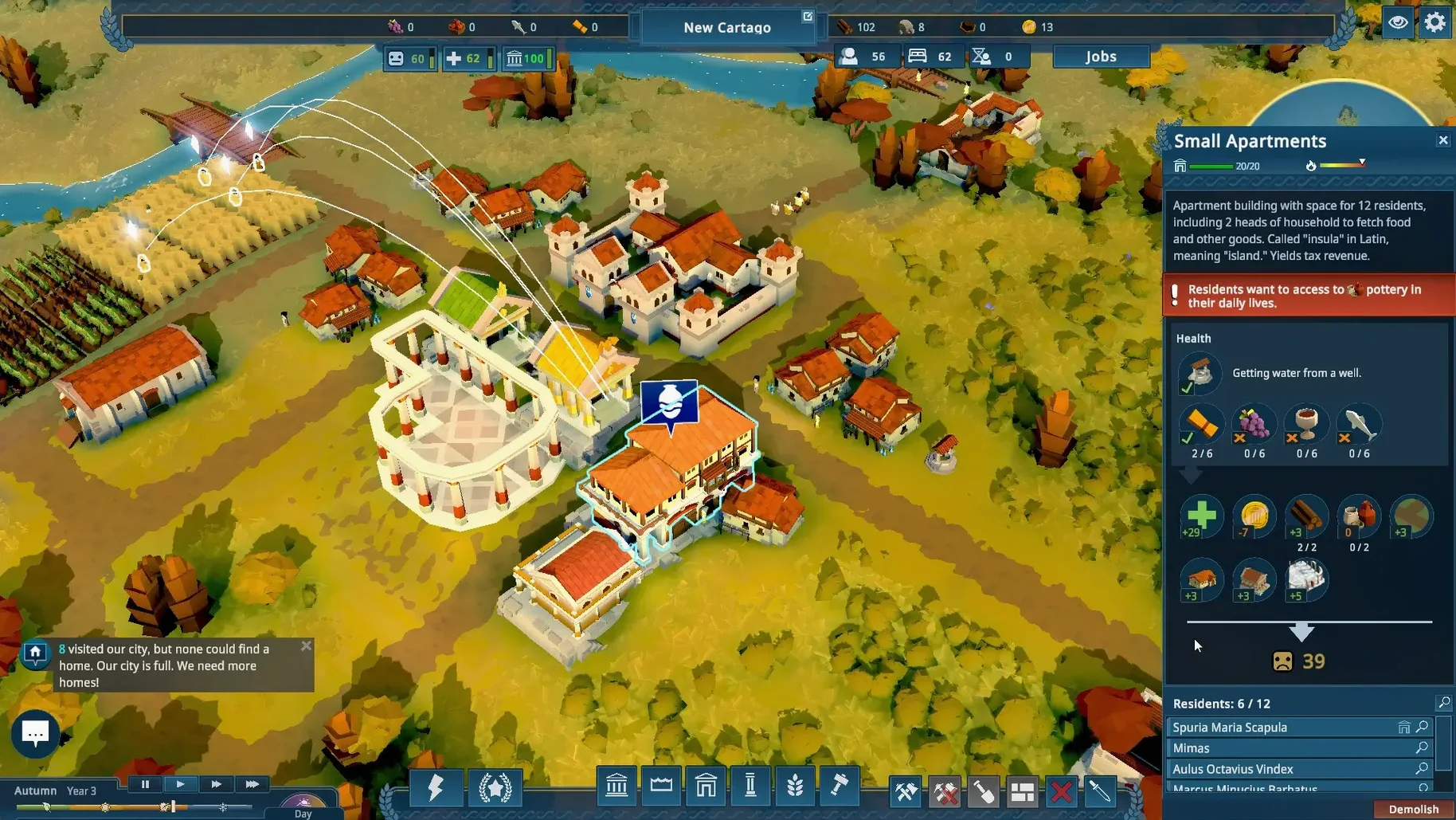
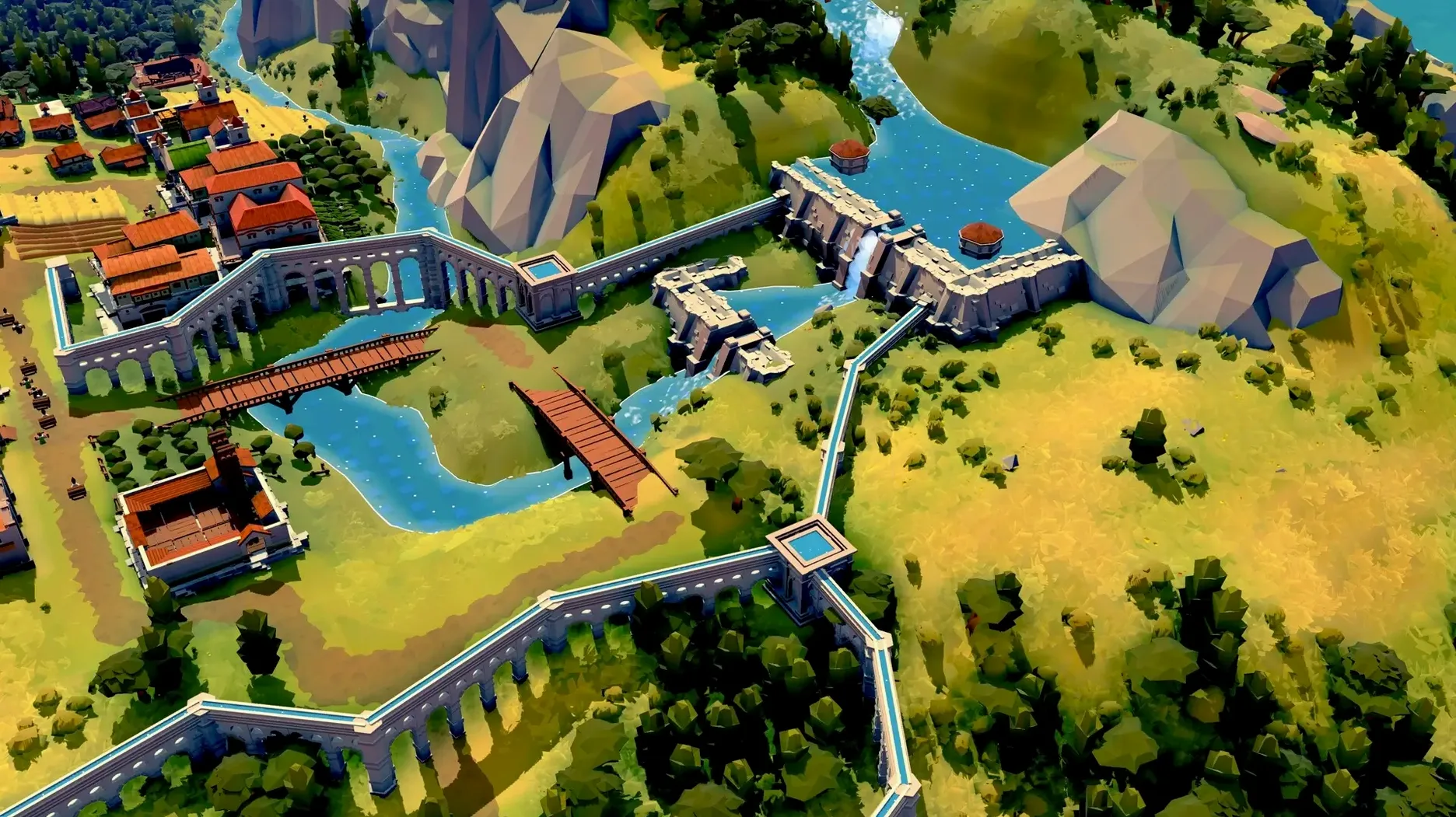
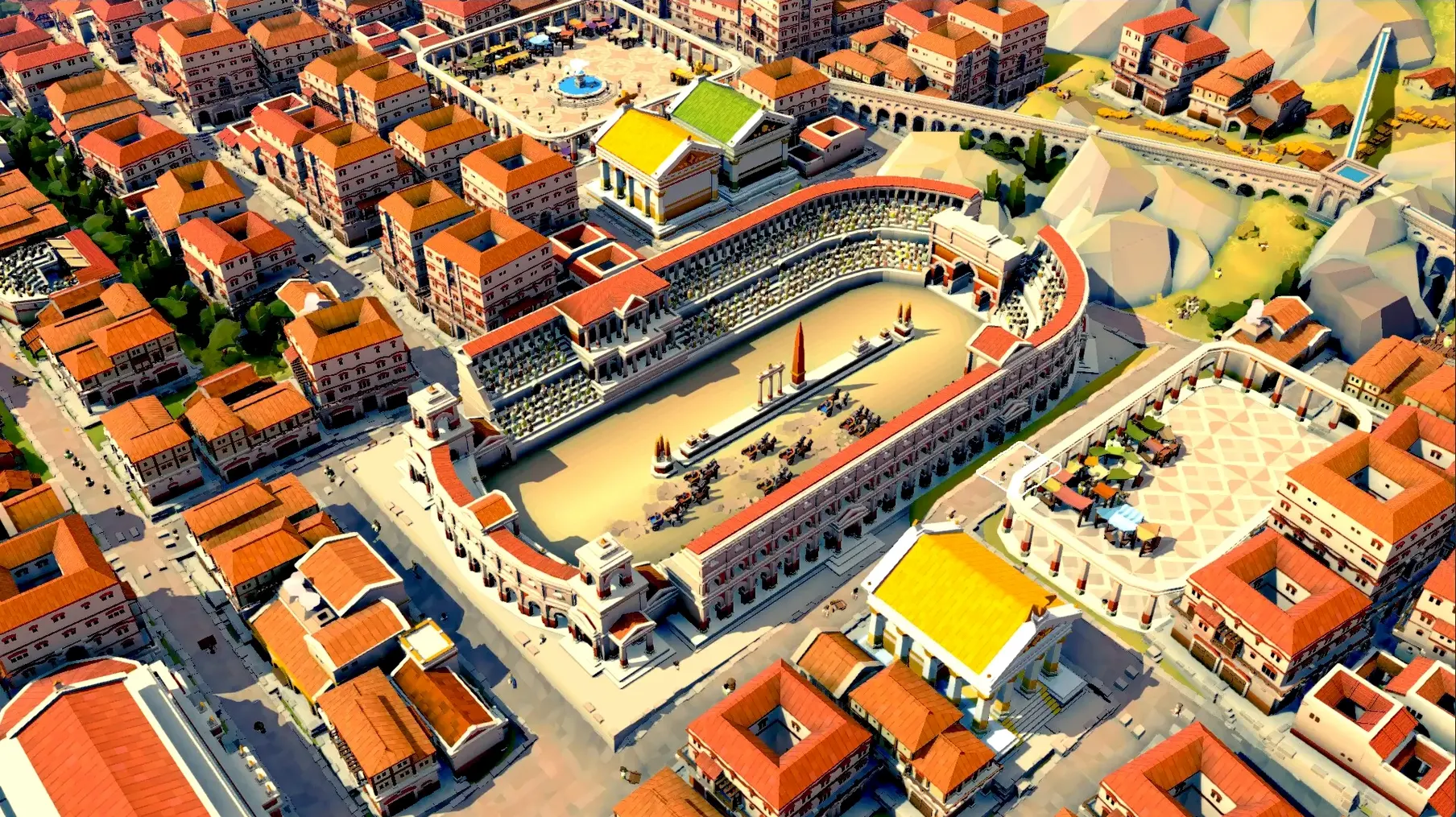
Anyone who fancies themselves a Roman governor will feel right at home in Nova Roma, the city-building game from Lion Shield. Minute to minute, you are not just placing buildings — you are juggling the daily needs of your citizens, keeping an eye on the weather and the landscape, and making sure your aqueducts and dams actually work with the local hydrodynamics. You set tax rates, decide which laws to enact, and push technology forward so your city can grow. Meanwhile, your training grounds turn out gladiators, craftsmen and actors to keep the population entertained and the economy ticking over. Supply chains matter here: you track what your people need and make sure it arrives, or they will let you know. Divine favour is another plate to spin, because the gods take an interest in how you run things. It is a careful balancing act between infrastructure, culture and politics, and the game keeps you busy from the first plot of land to the last paved road.
The water management system catches most new players out. You build a dam or an aqueduct, and nothing seems to flow. The landscape matters more than you think — water follows the terrain, so if your aqueduct ends on a slope, the water will stop there. Check the elevation tool before placing anything. If your citizens are still dry, trace the route from source to settlement and look for a low point or a missing connection. Dams also need a decent water source upstream; a thin stream in summer might not fill the reservoir.
Another common headache: supply chains that look fine on paper but stall in practice. You set up a wheat farm, a bakery and a market, and bread still runs out. The culprit is often a missing link between production and distribution. Make sure your granaries and storehouses are placed near the farms, and that your workers can actually reach them. Roads help. A farm that is too far from a storehouse will spend half its time walking rather than producing. If you see idle workers, check their pathing first, not their morale.
Taxation and divine favour can also trip you up. You might raise taxes to fund a new temple, and then watch your approval tank. The gods are fickle, but they respond to consistent offerings, not sudden bursts of piety. Build your temples gradually and keep a small surplus of goods for festivals. If your people start grumbling, lower the tax rate for a season and let the economy settle before you try again.
The biggest mistake is trying to build a full Roman city in the first hour. Nova Roma starts as a small village, and it wants to stay that way for a while. Rushing to place every building type will drain your resources and leave you with unhappy citizens who have no bread, no wine and no entertainment. Grow slowly, one district at a time, and let your supply chains catch up before you expand.
Another misstep: ignoring the landscape. The game accounts for hydrodynamics and weather, so building on a flood plain without drainage will cause problems later. Beginners also tend to place farms in the first flat patch they see, without considering soil quality or water access. Spend a few minutes surveying the map before you lay your first road. It saves a lot of demolition later.
New players also forget about entertainment. Gladiators, craftsmen and actors are not just decoration — they keep your citizens happy and your economy moving. If you focus only on bread and water, your people will get bored and leave. Train a few entertainers early, even if they are not very good at first. It is cheaper than dealing with a revolt.
When you first launch Nova Roma, take a moment to explore the settings and language options. The game supports a wide range of languages, so switch it to your preferred one before you start. The DRM-free build means you can install it wherever you like — the Applications folder is fine, but if you are testing on an external drive, the installer lets you choose.
Start with a small, manageable layout. Place your first houses near a water source and your first farms on fertile land. Build one temple to one god early on, and make a small offering to keep them happy while you figure out the rest. Do not try to appease every deity at once; pick one and focus on their favour until your economy is stable.
Use the first hour to learn the supply chain interface. Click through the production buildings and see what they need and what they output. If you understand that a bakery needs wheat from a farm and wood from a forester, you will avoid half the problems that come later. Keep your storehouses central and your production buildings close to their raw materials.
Finally, save often. The game is in active development at version 0.7.2703, and while it runs well, early access builds can surprise you. A quick save before a major decision — like raising taxes or building a dam — means you can roll back if things go wrong. That way, your Nova Roma grows steadily, one careful season at a time.
You can build dams and aqueducts to manage water, along with training grounds for gladiators, craftsmen and actors, plus the usual city infrastructure.
Yes, the macOS build has been tested on both Apple Silicon (M4 Mac mini) and Intel 64-bit architecture.
Sign in or create your account to leave a comment.
No notes from photographers yet. If you have used this on a real folder, say which camera and which Mac.